Climate change is having a profound impact on our lives, particularly on children with disabilities – a vulnerable group facing heightened risks from natural disasters and extreme weather events. To raise awareness and equip them with essential coping skills, a climate change training program for children with disabilities and teachers was organized, aiming to deliver knowledge in an accessible, understandable, and effective manner.
On February 14, 2025, the climate change training program for children with disabilities and teachers was successfully held at the Center for Inclusive Education Development for Children with Disabilities in Thai Nguyen Province. Notably, trainees Nguyen Thi Thu Trang and Nguyen Thi Hai Yen from the Forestry and Sustainable Development Training Group took on the role of event hosts, creating a lively atmosphere and fostering meaningful connections among participants.
The training program is one of the key activities under the “Learning Center for Emission Neutrality and Climate Resilience in Northern Vietnam (LEARN-VN)” project, which supports Vietnam’s commitment to achieving net-zero emissions by 2050. This learning center, established at Thai Nguyen University of Agriculture and Forestry (TUAF), aims to enhance knowledge and capacity for students and local communities. The project is managed by the Center for International Forestry Research (ICRAF) and implemented by TUAF.
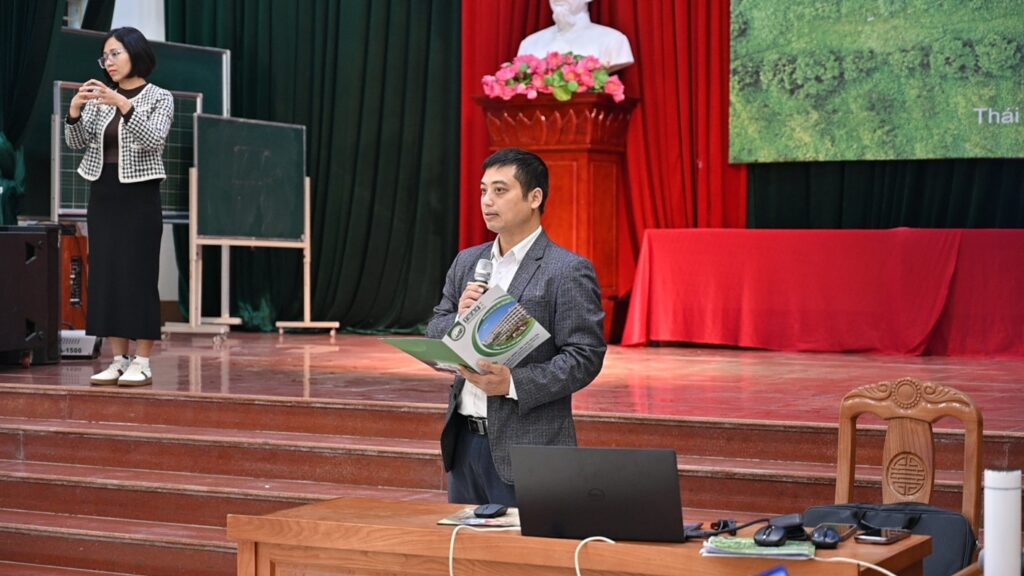
Dr. Do Hoang Chung delivered a speech before the training session
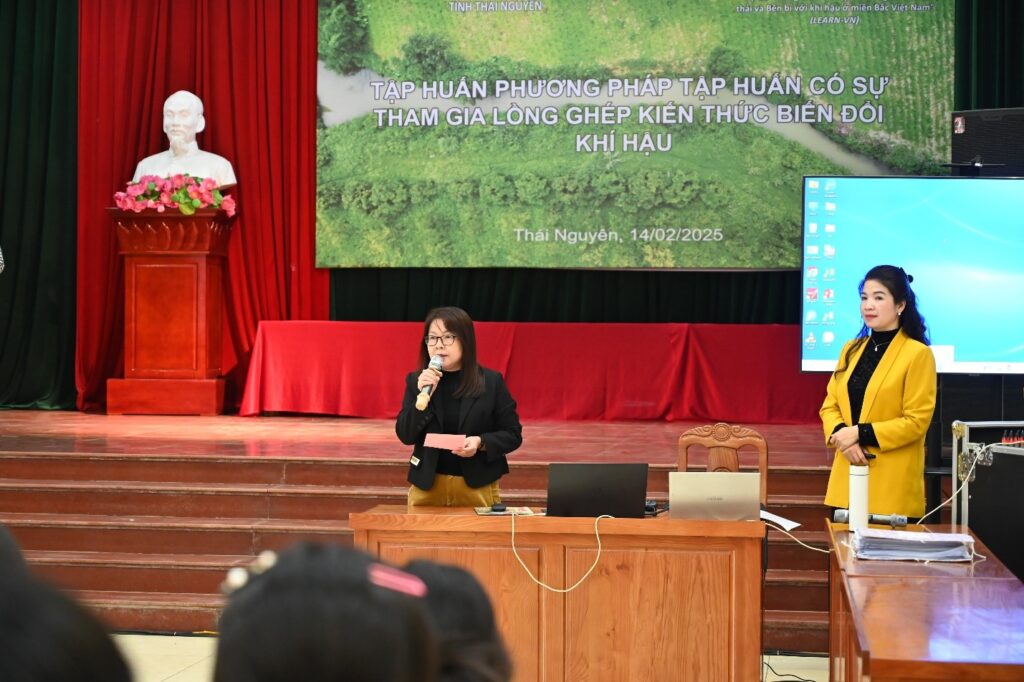
Ms. Nguyen Thi Kim Nhung – Director of the Center for Inclusive Education Development for Children with Disabilities in Thai Nguyen Province, also delivered a speech before the training session
The training content was divided into two main sections: one for children with disabilities and one for teachers.
For children, the program focused on identifying climate change through phenomena such as storms, floods, and droughts, along with their environmental impacts. Participants were guided on how to mitigate these effects by saving energy, using renewable resources, reducing plastic waste, conserving water, and engaging in tree-planting activities. Additionally, the program included hands-on activities such as painting and giving short presentations on environmental topics, encouraging creative thinking and raising awareness of environmental responsibility.
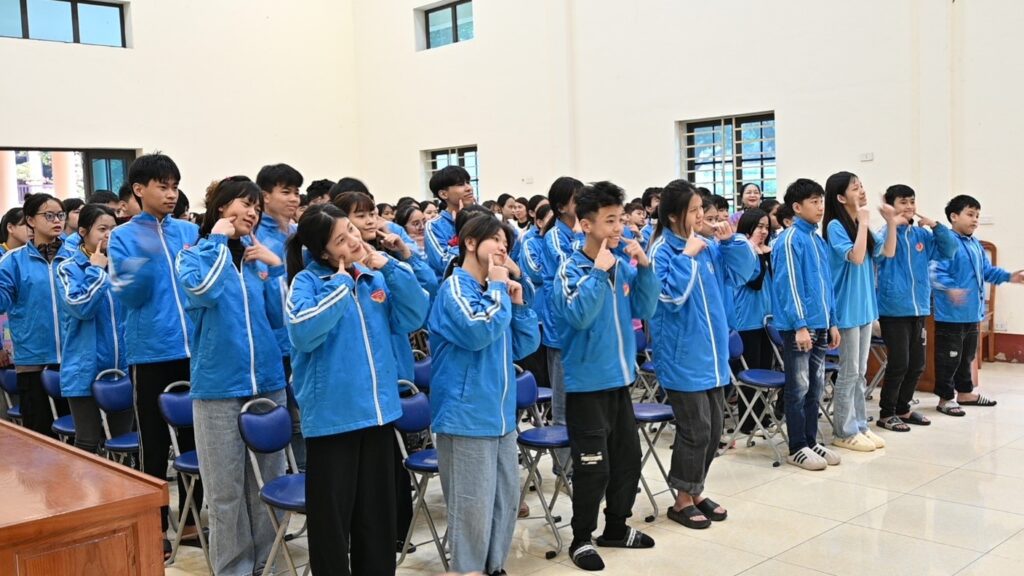
The students warmed up with a simple dance
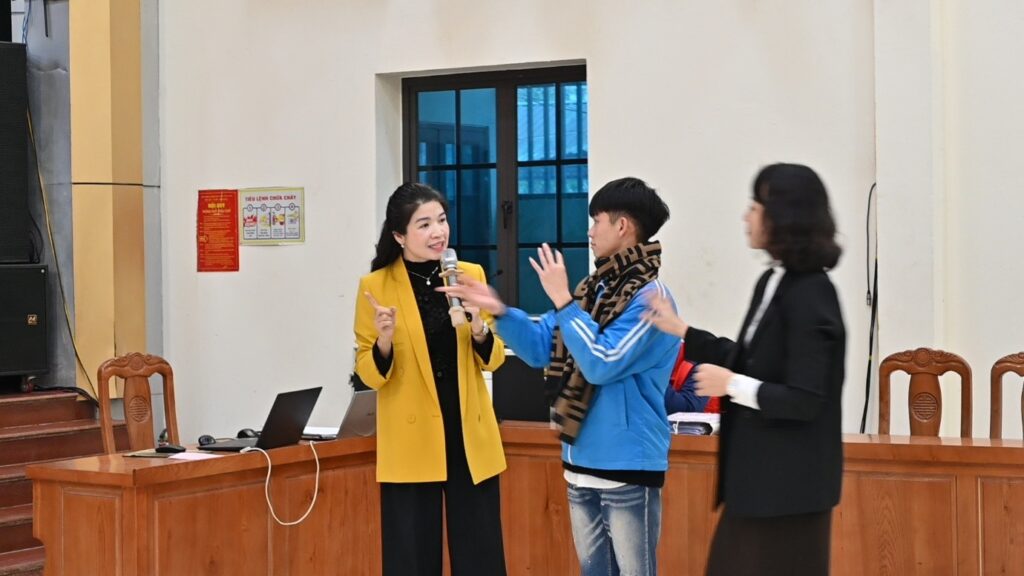
Students answered questions
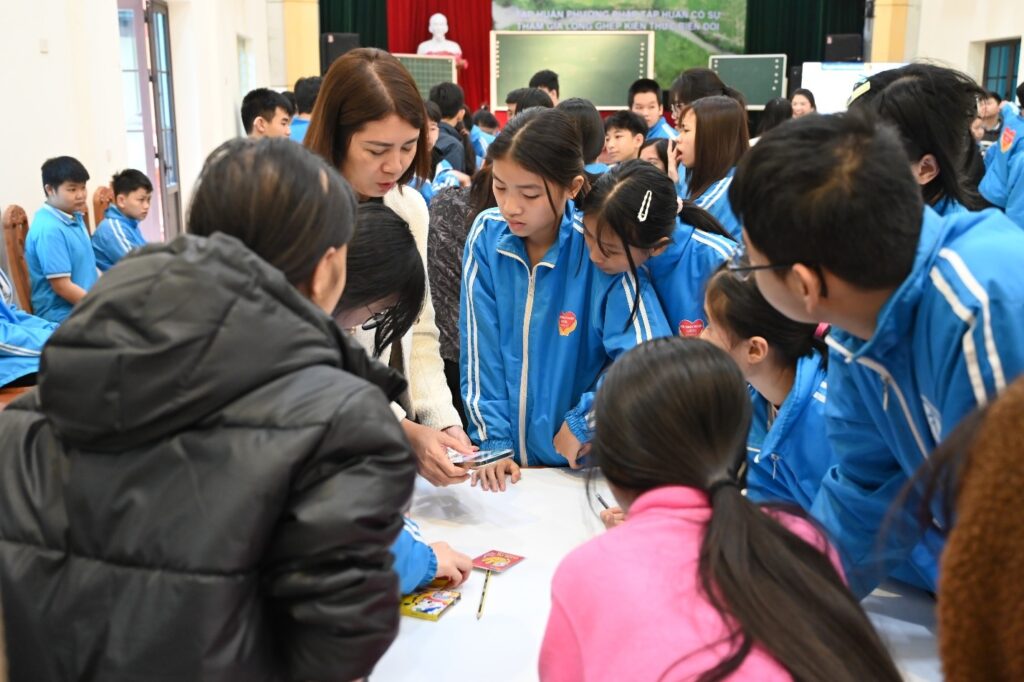
Students and teachers participated in painting activities
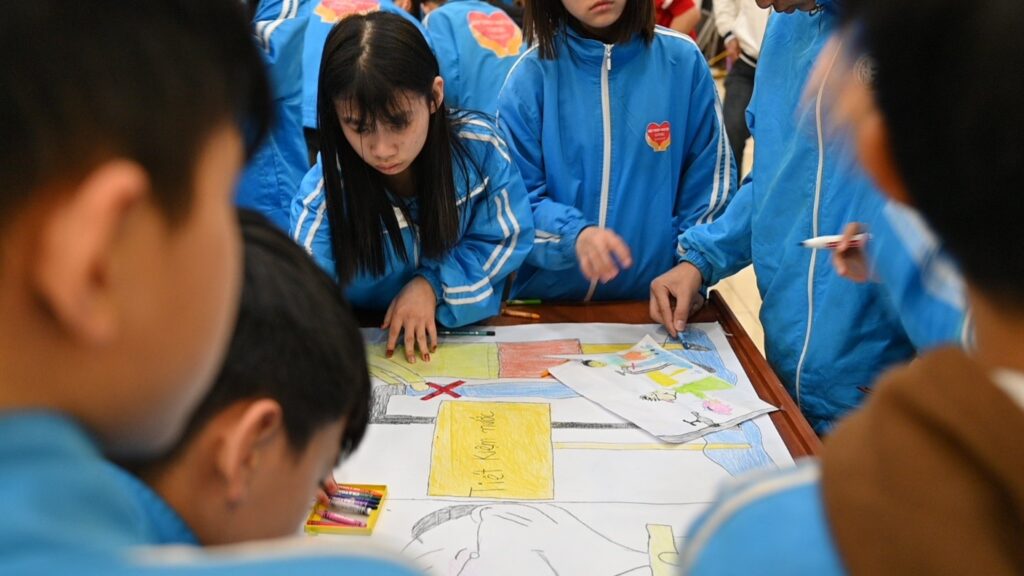
Students and teachers participated in painting activities
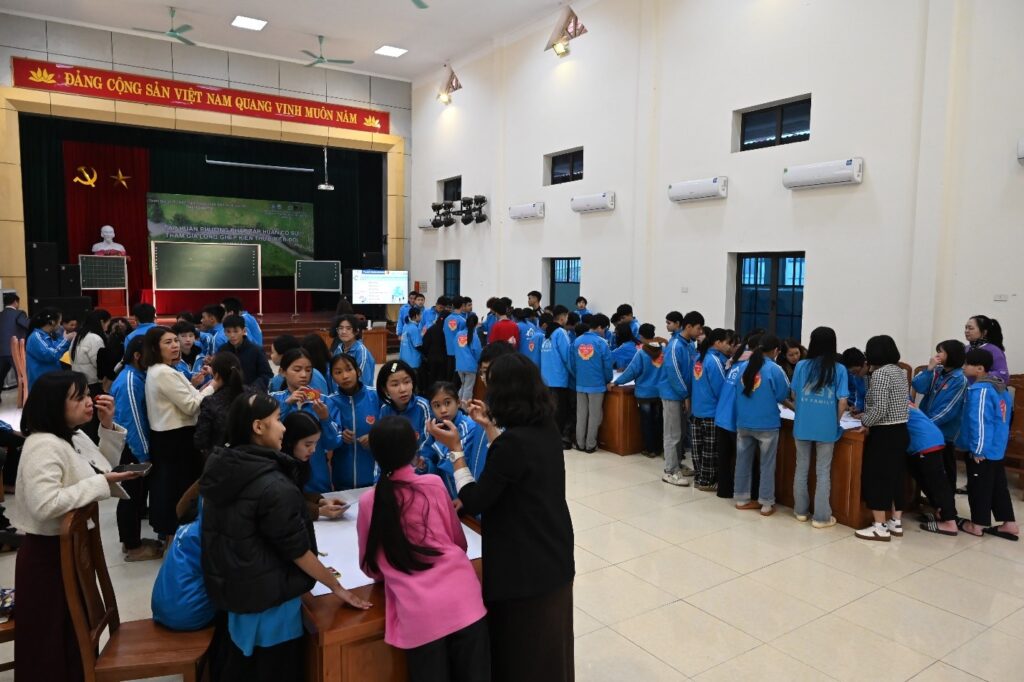
Students and teachers participated in painting activities
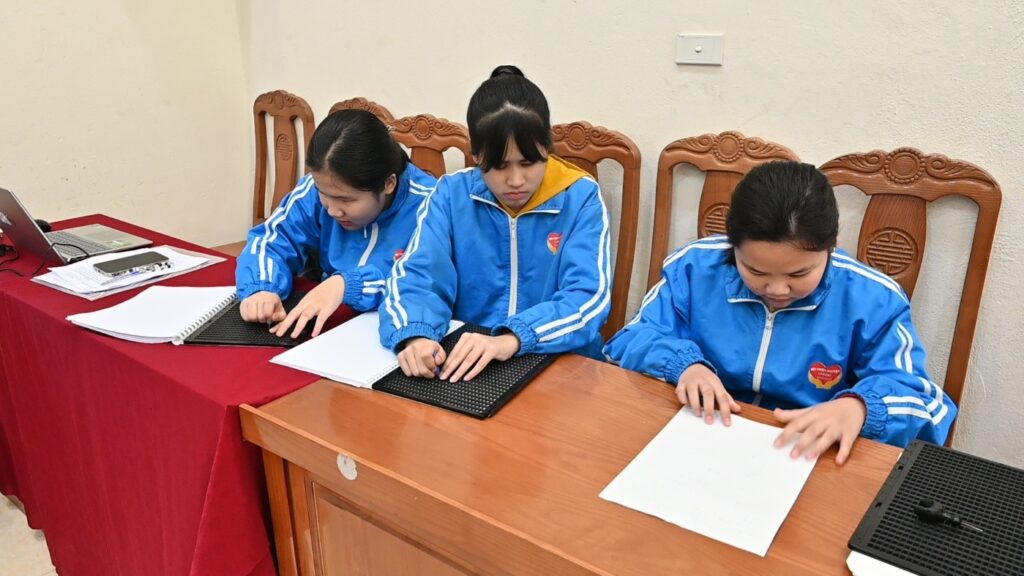
Visually impaired students wrote their presentations in Braille
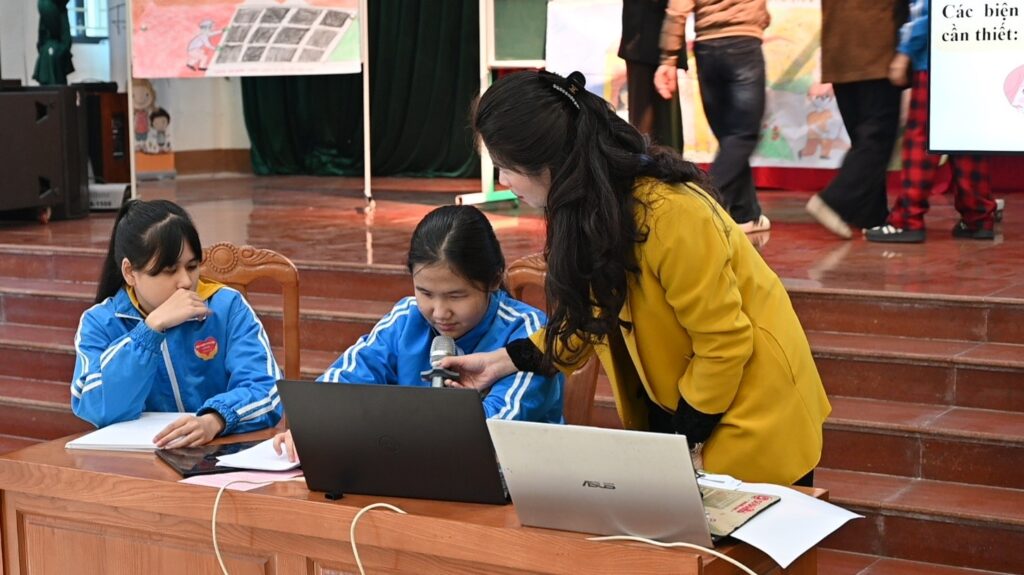
Visually impaired students presented their prepared speeches
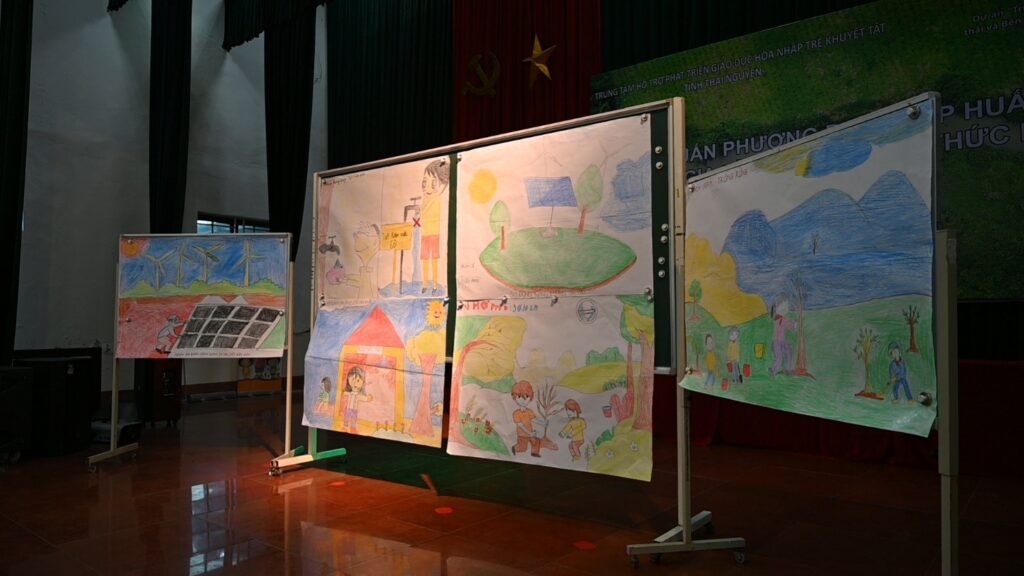
Students’ final projects
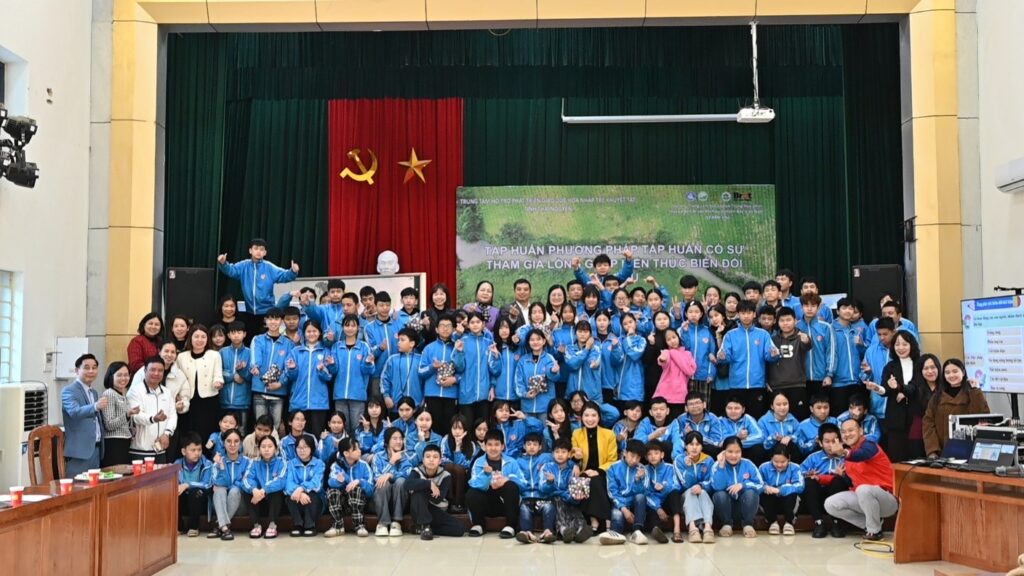
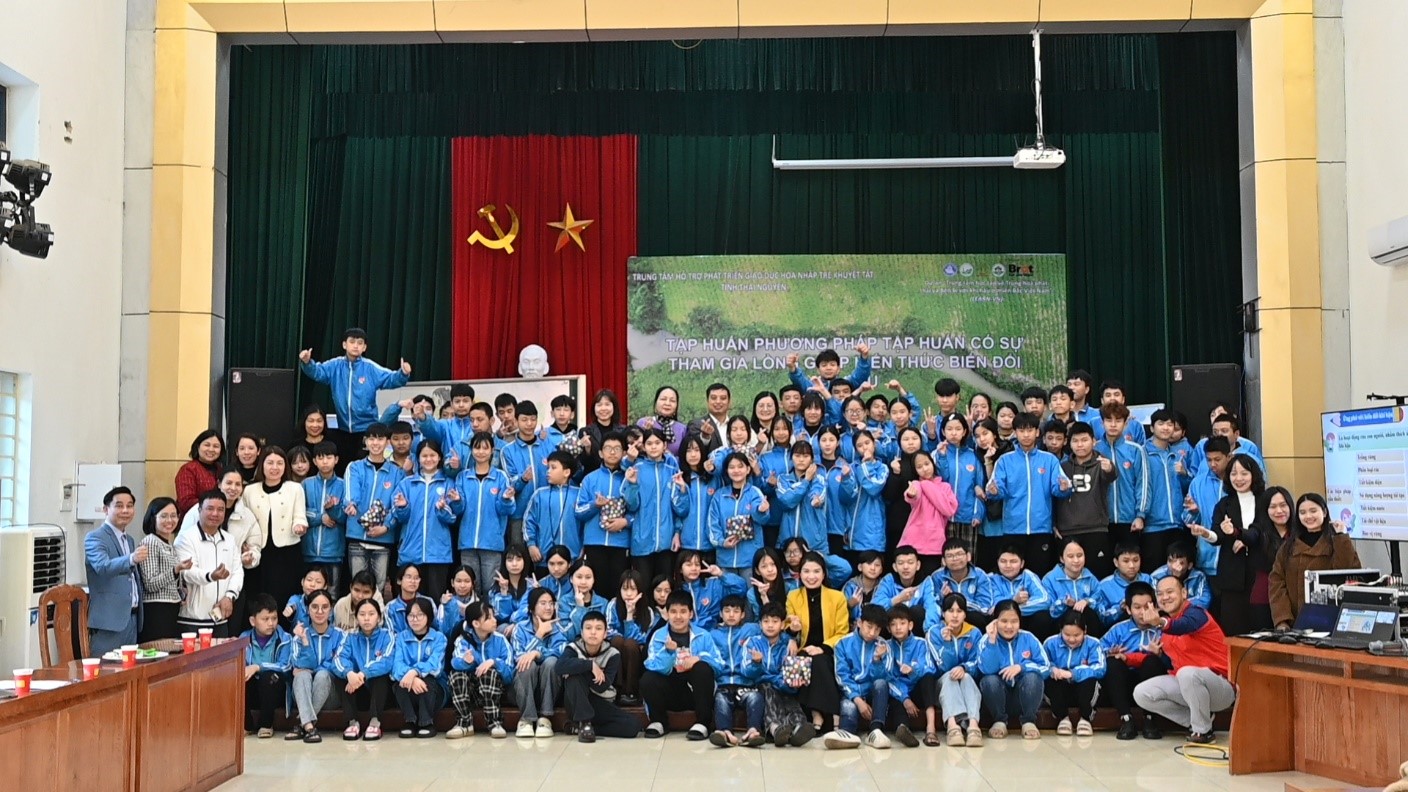
Group photo of students and teachers attending the morning session of the program
For teachers, the training introduced innovative teaching methods that effectively integrate climate change content into lessons. Teachers engaged in activities such as painting, group work, and participatory teaching methods, helping them develop classroom management skills and encourage active student participation in environmental protection initiatives. The program also provided guidance on incorporating climate change topics into daily lessons to make them more engaging and practical for students.
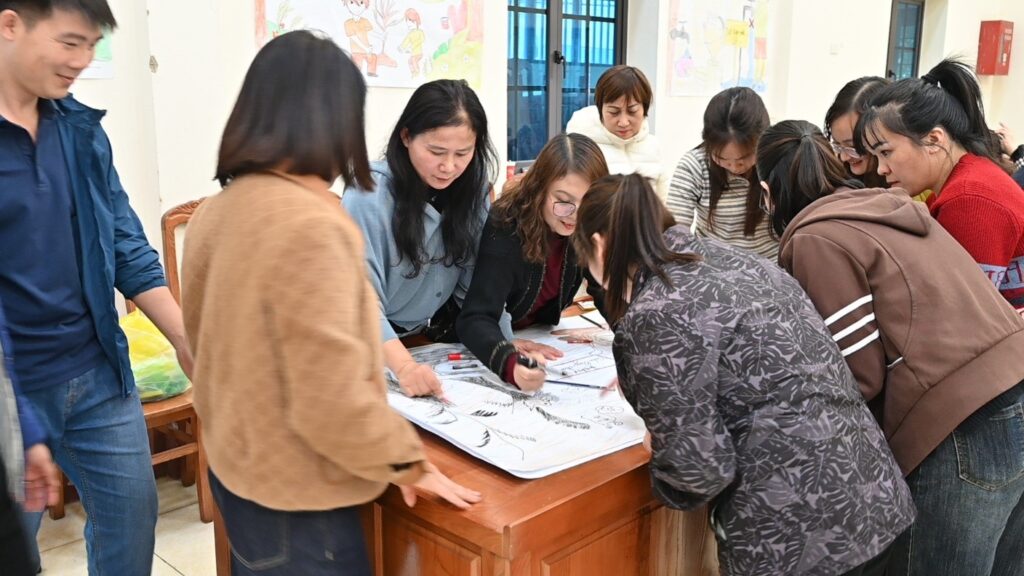
Teachers participated in painting activities
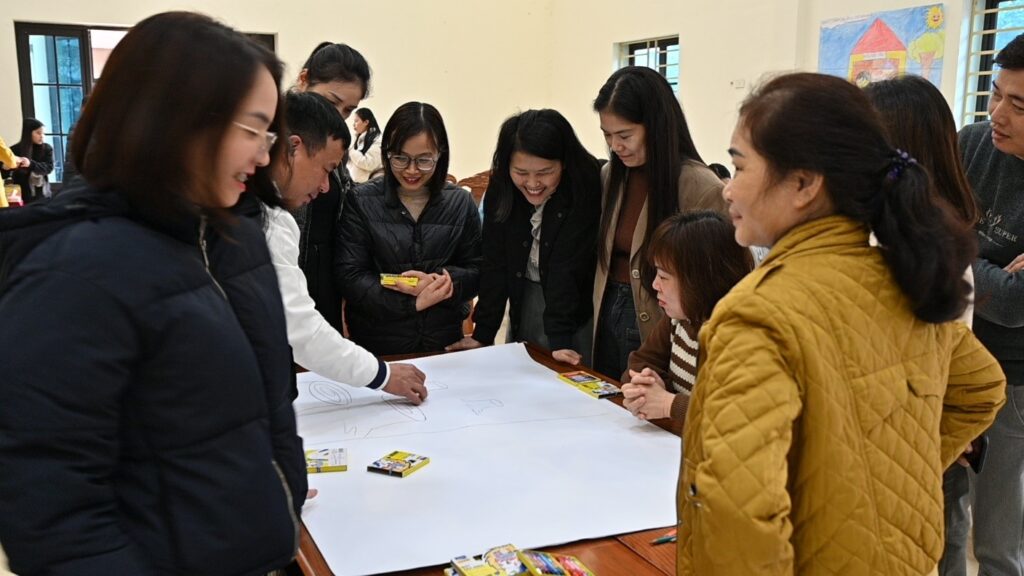
Teachers participated in painting activities
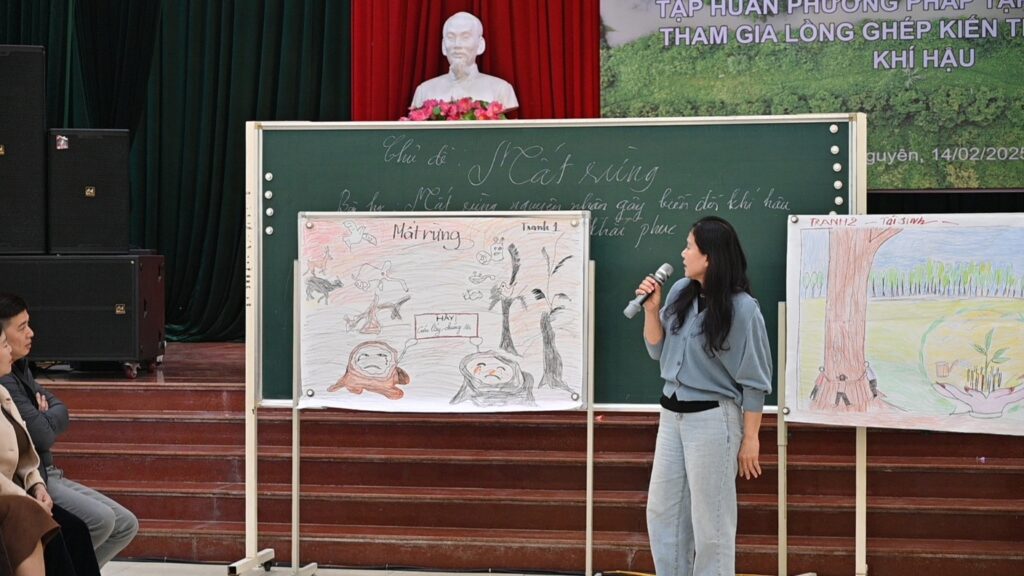
Teachers presented their content
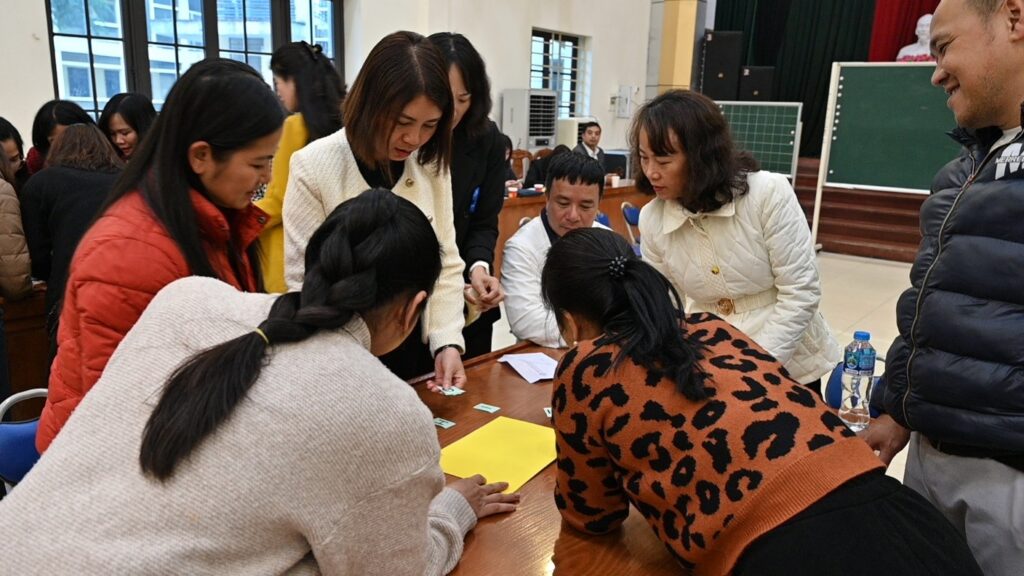
Teachers engaged in small group activities
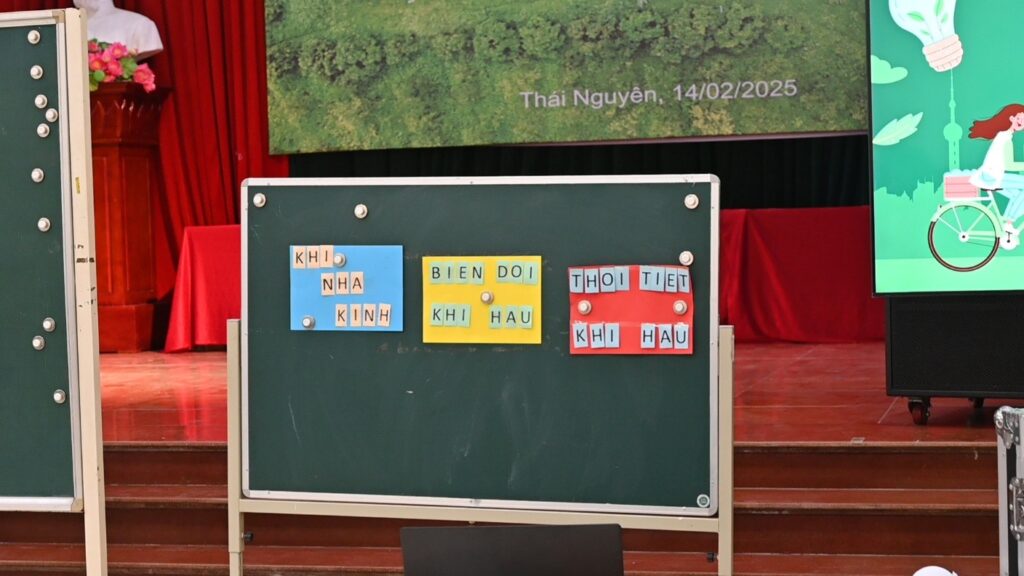
Final results after completion
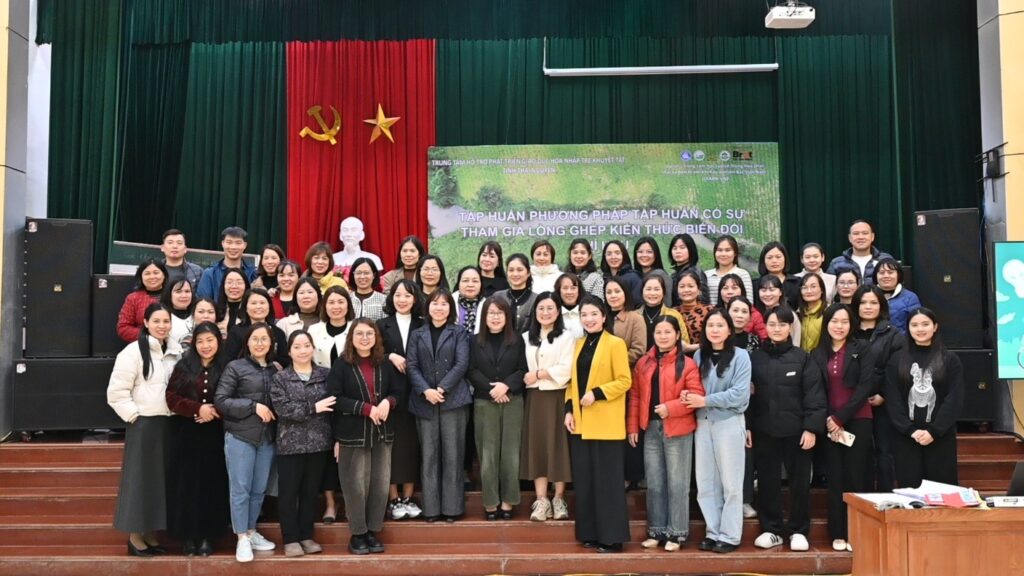
A total of 55 teachers participated in the training program
The training program not only provided valuable knowledge but also created opportunities for children with disabilities and teachers to develop critical thinking skills, practical actions, and proactive attitudes toward climate change. Children gained a clearer understanding of climate change and learned how to take small yet meaningful actions to protect the environment. Teachers were also supported in applying creative teaching methods, enhancing interaction with students, and fostering a sense of environmental responsibility. Through these efforts, the program contributed to building a generation of children equipped to respond to climate change and work together for a more sustainable future.