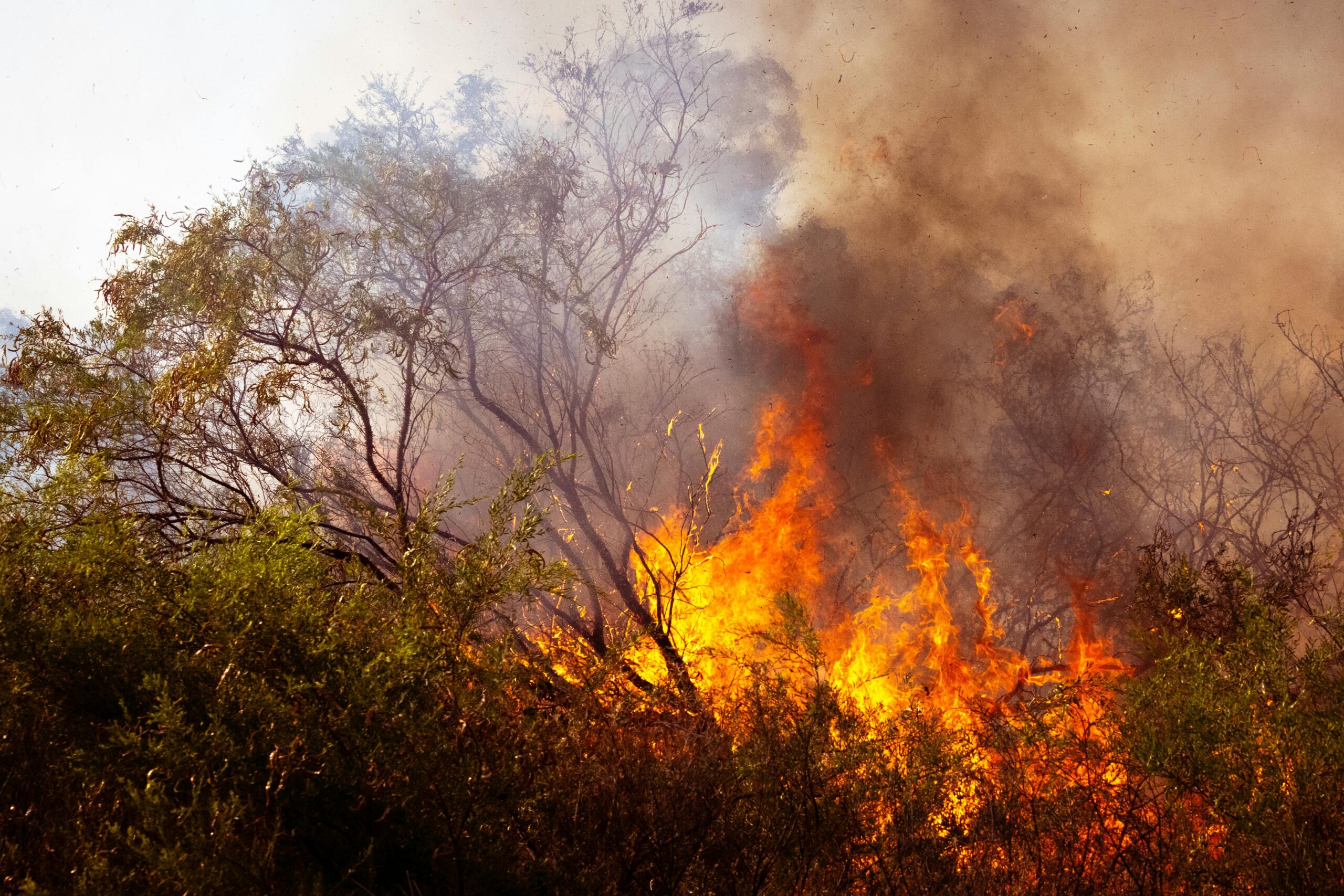
Two severe wildfires recently broke out consecutively in Tuyên Quang and Thái Nguyên on March 21–22, causing damage to over 30 hectares of forest and claiming one life [1][2]. These alarming figures not only highlight the extreme danger of wildfires but also underscore the close link between wildfires and climate change.
Rising temperatures, prolonged heatwaves, decreasing humidity, and strong winds—clear signs of climate change—are increasing wildfire risks across the country. When wildfires occur, they not only destroy vegetation and wildlife but also release large amounts of CO₂, further exacerbating global warming. This creates a vicious cycle that, if not addressed promptly, will lead to increasingly severe consequences.
Prevention is Better than Cure – Immediate Actions to Protect Forests [3]:
-
Strictly follow fire prevention and control regulations: Avoid reckless slash-and-burn practices and refrain from using fire near forests during dry seasons.
-
Monitor weather conditions and wildfire risk levels: Provide timely warnings to residents and communities.
-
Enhance public awareness and training: Educate local people, forest owners, and rangers on wildfire prevention and firefighting techniques.
-
Install clear warning signs in high-risk areas to help people recognize and avoid potential dangers.
-
Prepare adequate firefighting equipment such as machetes, hoes, shovels, and water pumps for quick response.
-
Report wildfires immediately to local authorities or forest rangers for prompt fire suppression.
-
Implement the “Four On-the-Spot” principle effectively: On-site personnel, on-site equipment, on-site logistics, and on-site command—key factors for timely wildfire control.
Wildfires are no longer just a concern for the forestry sector. They are an environmental, climate, and livelihood issue for the entire community.
Every small action today contributes to protecting forests—the green lungs of our planet—and safeguarding our own lives.