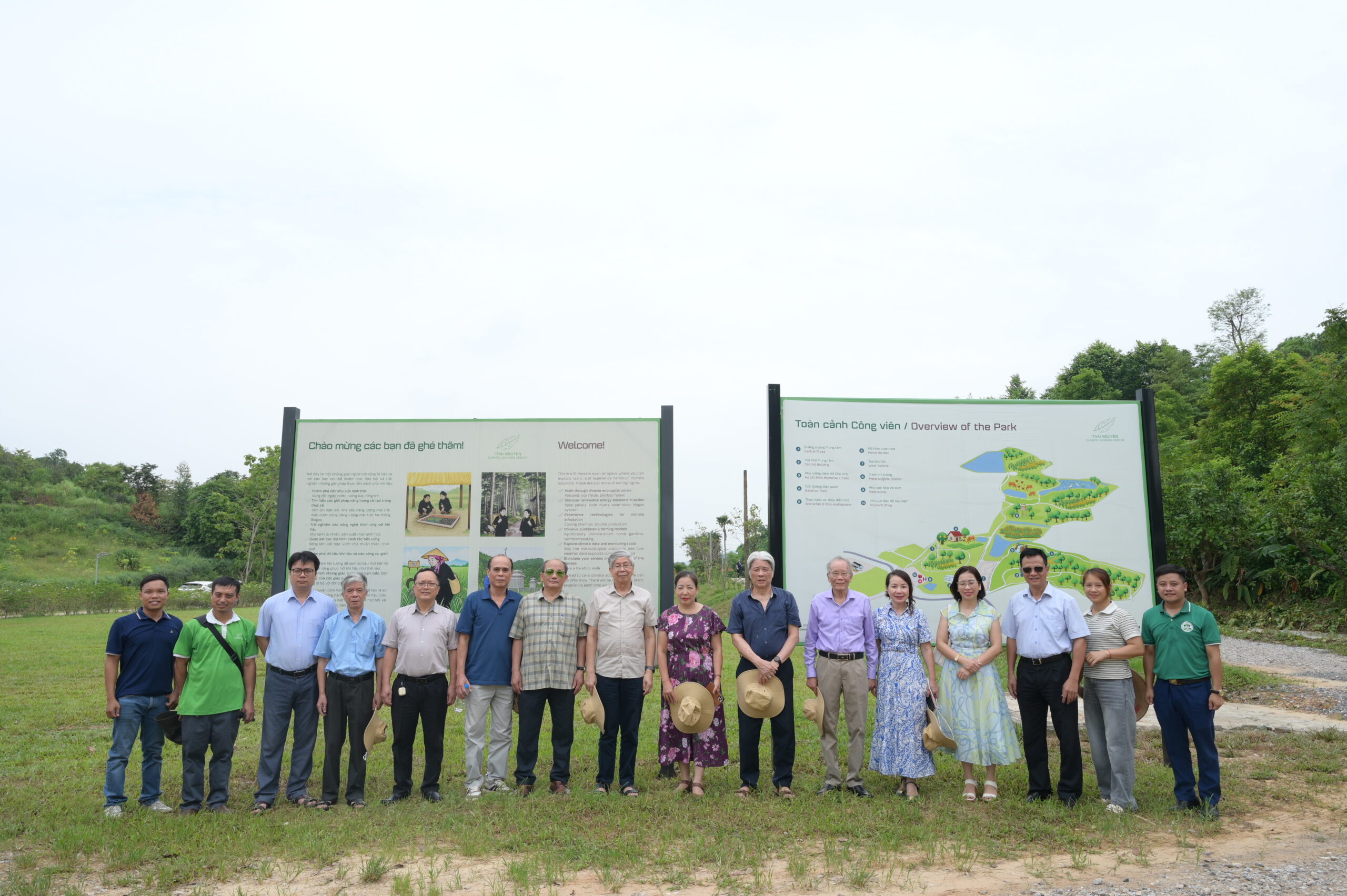
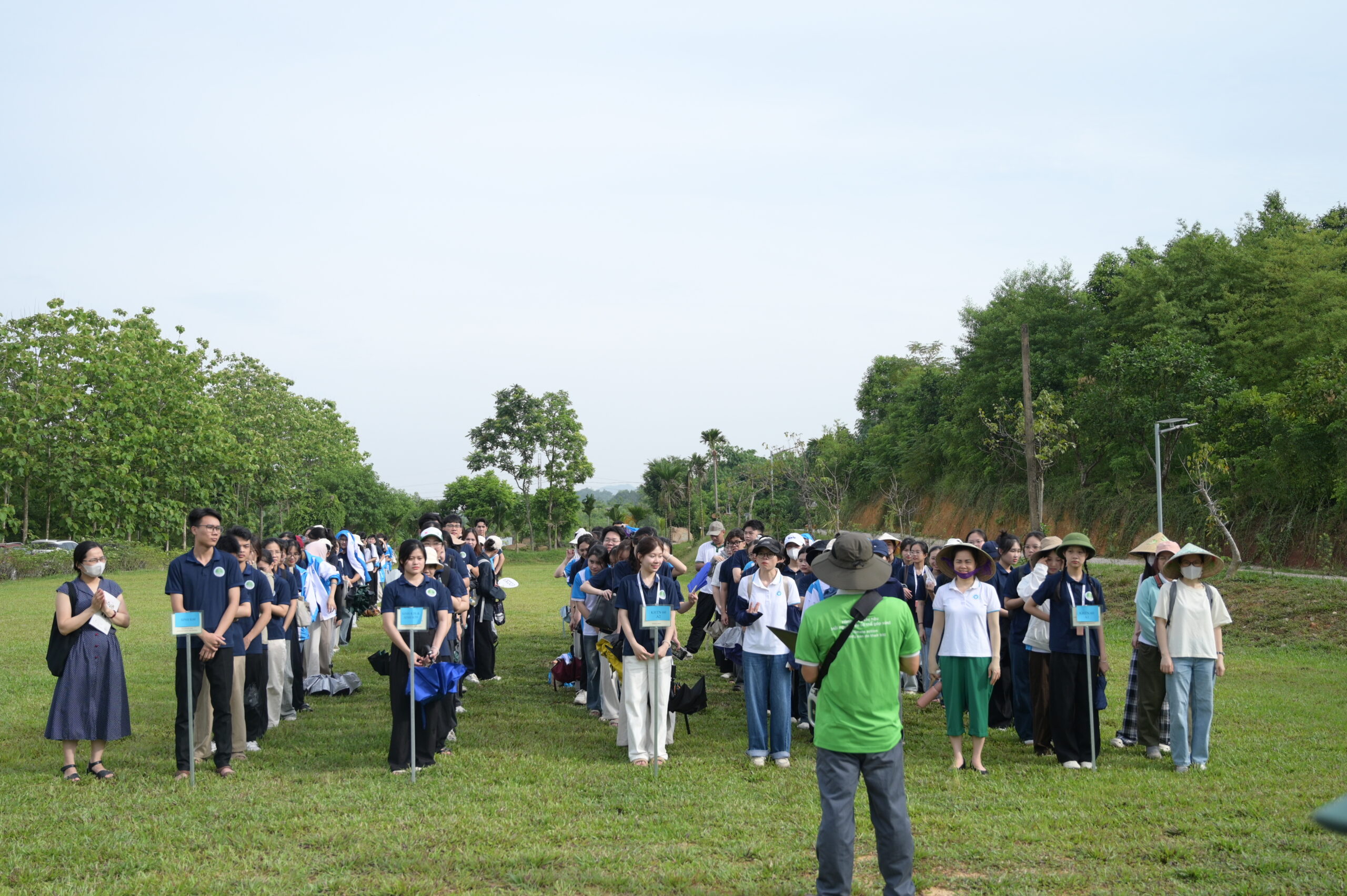
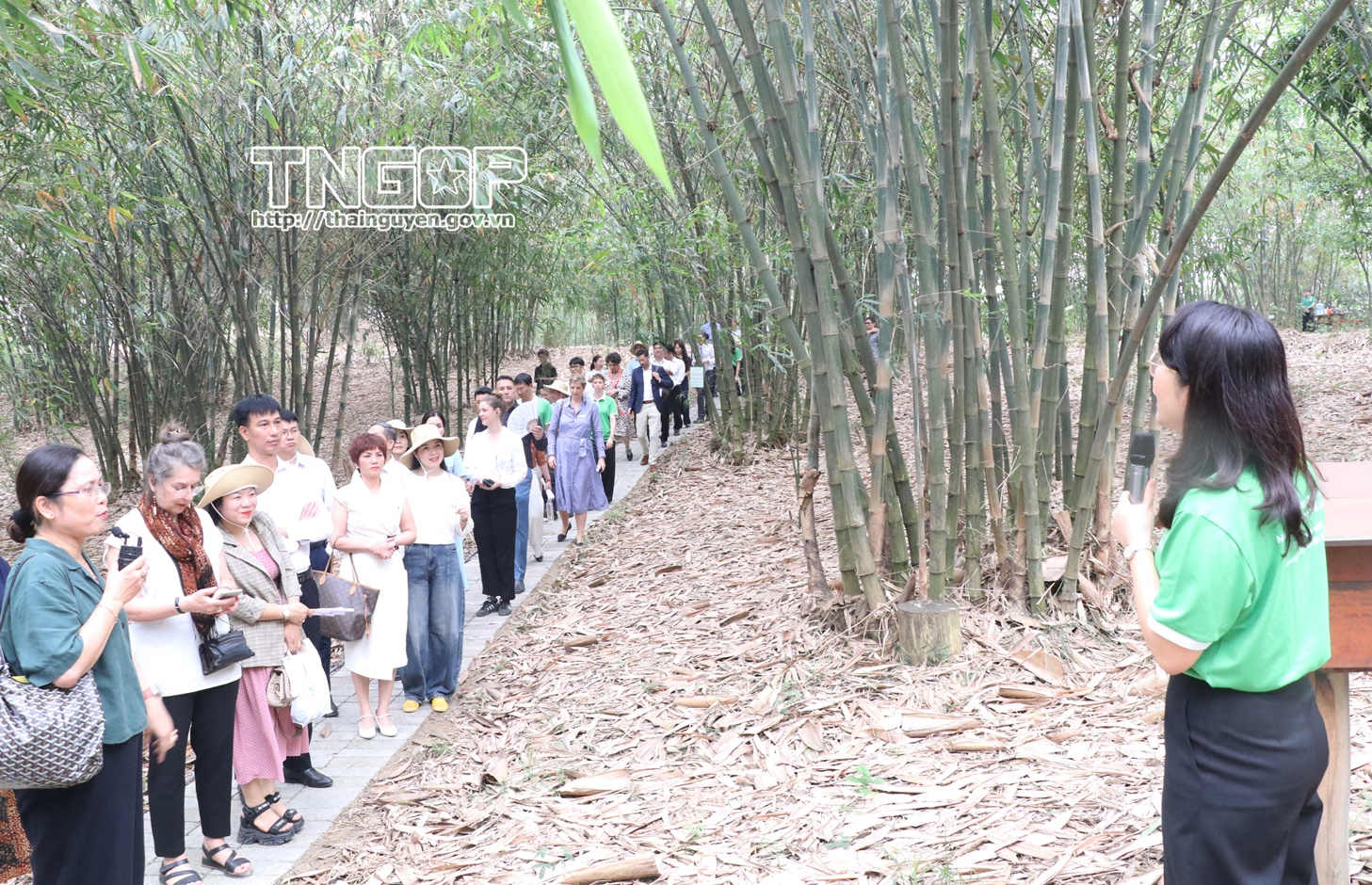
Over four days from March 11 to March 14, 2025, the Institute of Forestry and Sustainable Development, University of Agriculture and Forestry – Thai Nguyen University, in collaboration with the Lao Cai Farmers’ Association, successfully organized a training course on “Agricultural Climate Information Services (ACIS).”
Through the course, 30 participants from organizations such as the Farmers’ Association, Agricultural Extension Center, Provincial Hydro-Meteorological Station, Bac Ha District Meteorological Station, Commune People’s Committees, and other relevant institutions from Thai Nguyen and Lao Cai provinces were equipped with the necessary skills and knowledge to become trainers. They will support communities in developing seasonal bulletins and enhancing resilience against climate change challenges. Additionally, a network of core trainers for ACIS was established and is ready to conduct knowledge-sharing activities and apply climate services in local agricultural production.
The training course was an essential component of the “Restoring Degraded Land and Building Climate Resilience in Lao Cai through Sustainable Agroforestry for Livelihoods and Value Chain Improvement (REDAA)” project and the “Learning Center for Emission Neutrality and Climate Resilience in Northern Vietnam (LEARN-VN)” project. These initiatives aim to enhance community resilience in addressing climate change challenges.
The REDAA project focuses on reducing soil erosion, improving land use, livelihoods, soil quality, soil pH, water retention, climate resilience, and carbon sequestration potential. The project is jointly implemented by the International Centre for Research in Agroforestry (ICRAF), Lao Cai Farmers’ Association, and the University of Agriculture and Forestry – Thai Nguyen University from 2024 to 2027.
The LEARN-VN project is an initiative to support Vietnam’s commitment to achieving net-zero emissions by 2050. It focuses on establishing a Climate Learning Center at the University of Agriculture and Forestry – Thai Nguyen University. This center aims to enhance climate knowledge and capacity for local communities, students, and young people to contribute to Vietnam’s climate goals. The LEARN-VN project is managed by the World Agroforestry Centre (ICRAF), with the University of Agriculture and Forestry (TUAF) – Thai Nguyen University as the implementing institution.
ADDITIONAL INFORMATION ABOUT THE TRAINING COURSE:
On the morning of March 11, 2025, Mr. To Manh Tien – Vice Chairman of the Lao Cai Farmers’ Association, delivered the opening speech, sharing general information about the training course. He emphasized the importance of developing agricultural climate services and the role of climate information in agricultural production and climate change adaptation.
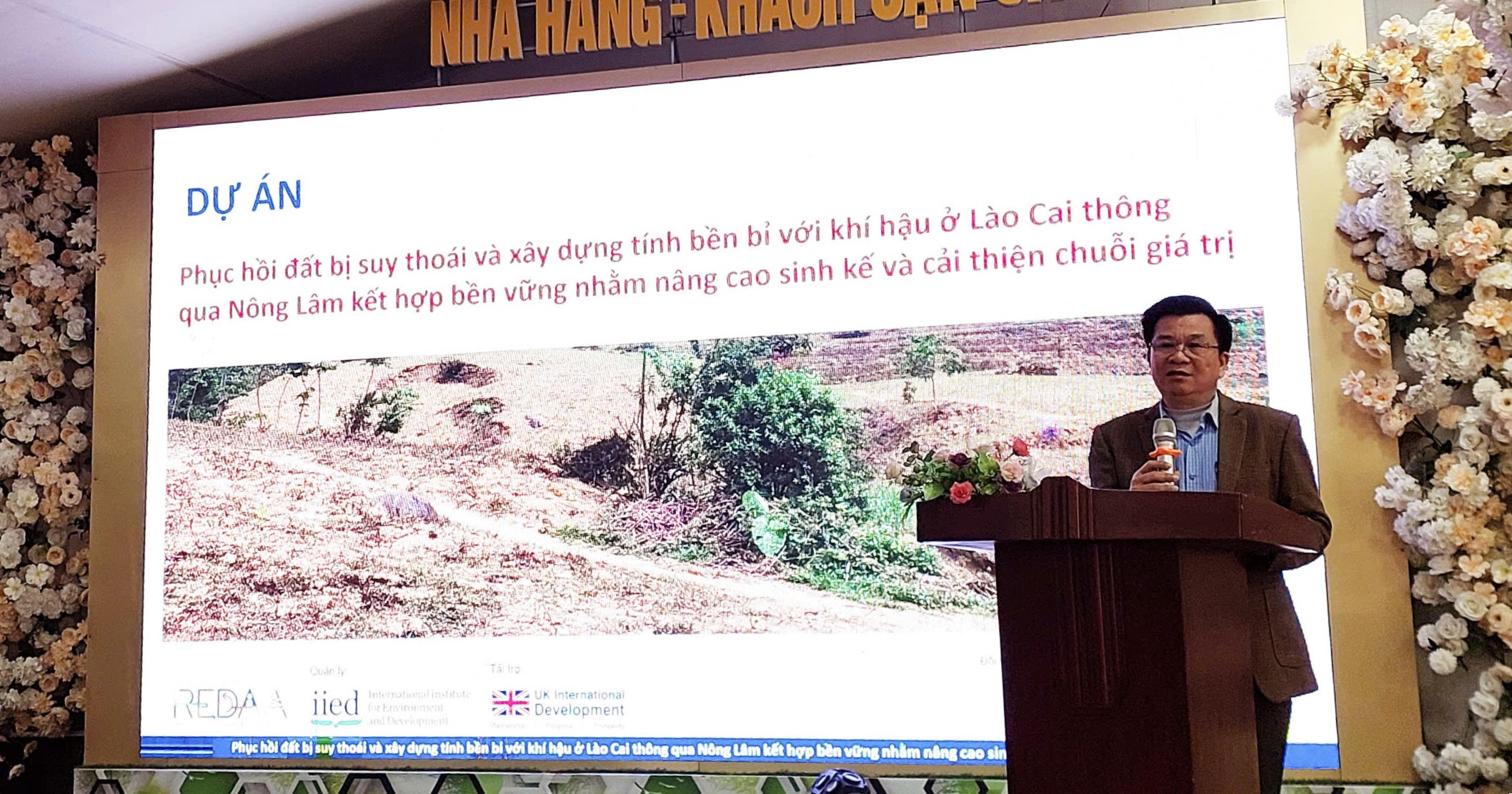
Mr. To Manh Tien – Vice Chairman of the Lao Cai Farmers’ Association, delivering the opening speech and sharing information about the training course.
On the first day, the training program focused on familiarization among participants, establishing classroom rules, and discussing individual expectations and objectives. After the general introduction, experts presented an overview of agricultural climate services in Vietnam and worldwide, discussing their role in the context of climate change. Participants then explored the principles of climate service development from pilot projects, the process of building climate services based on practical experiences, and the challenges of local implementation.
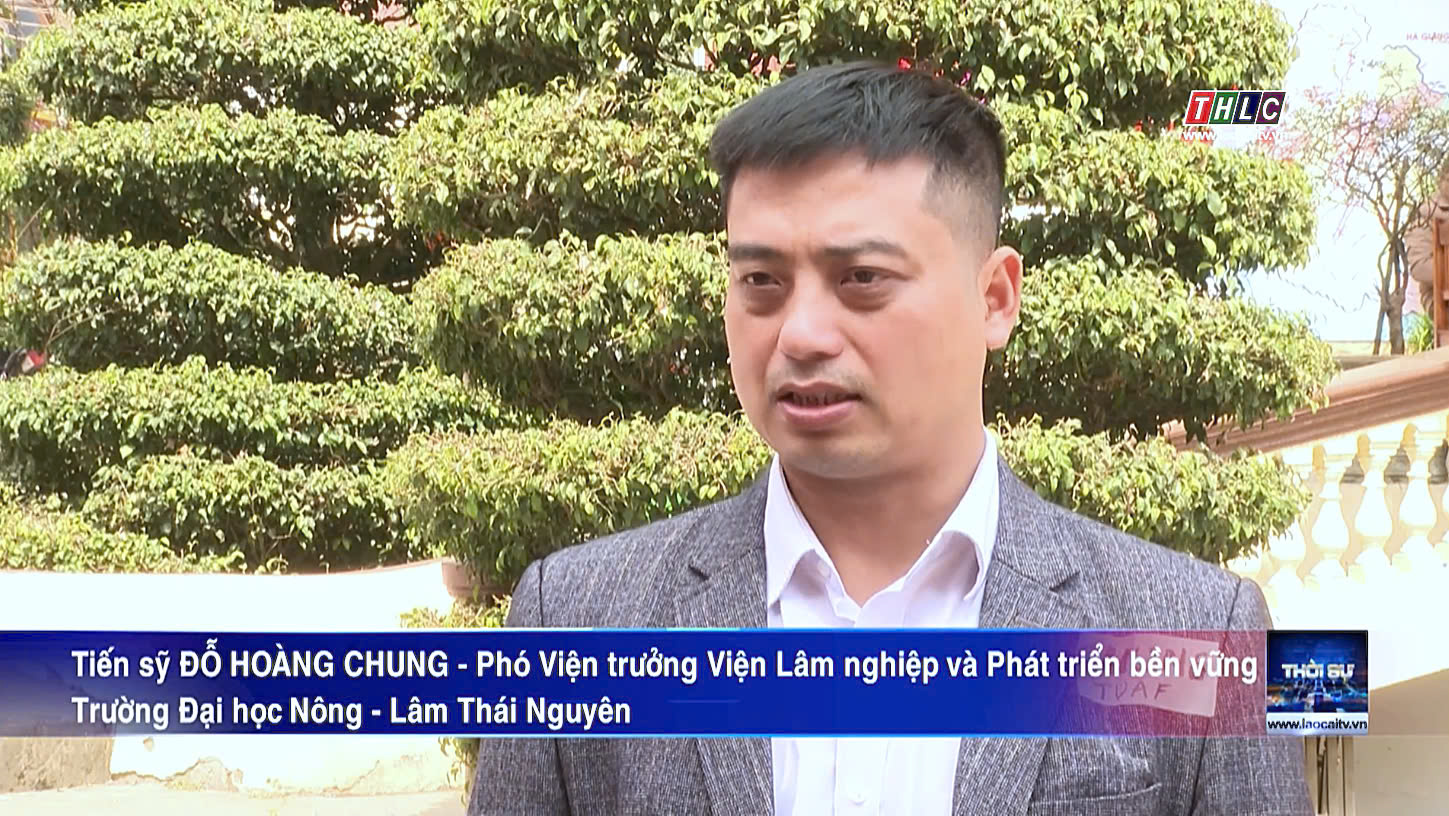
Leadership representatives from the Institute of Forestry and Sustainable Development responded to media inquiries regarding the training activities (news link: https://laocaitv.vn/thoi-su-truyen-hinh/thoi-su-lao-cai-09h30-15032025)
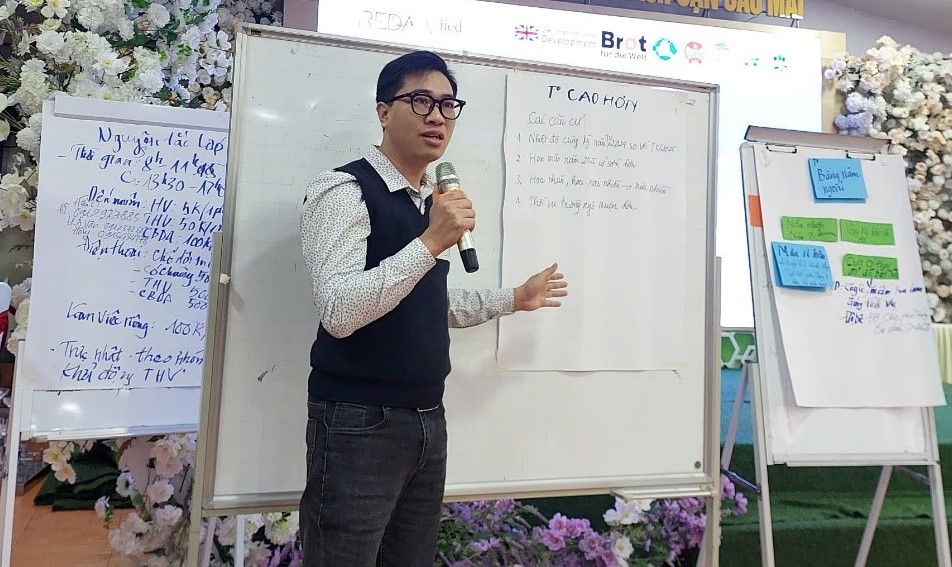
Participants sharing group discussion results
On the second day, the program delved into climate bulletin development. Participants were introduced to bulletin templates, participatory bulletin development methods, and techniques for compiling and editing content before publication. Following the instructions, groups practiced creating bulletins within technical teams, presenting their results, and exchanging feedback. In the afternoon, experts shared skills for disseminating bulletins and gathering feedback from the public, helping participants better understand effective climate information dissemination processes. By the end of the day, participants practiced sharing bulletins with the community and continued refining these skills.
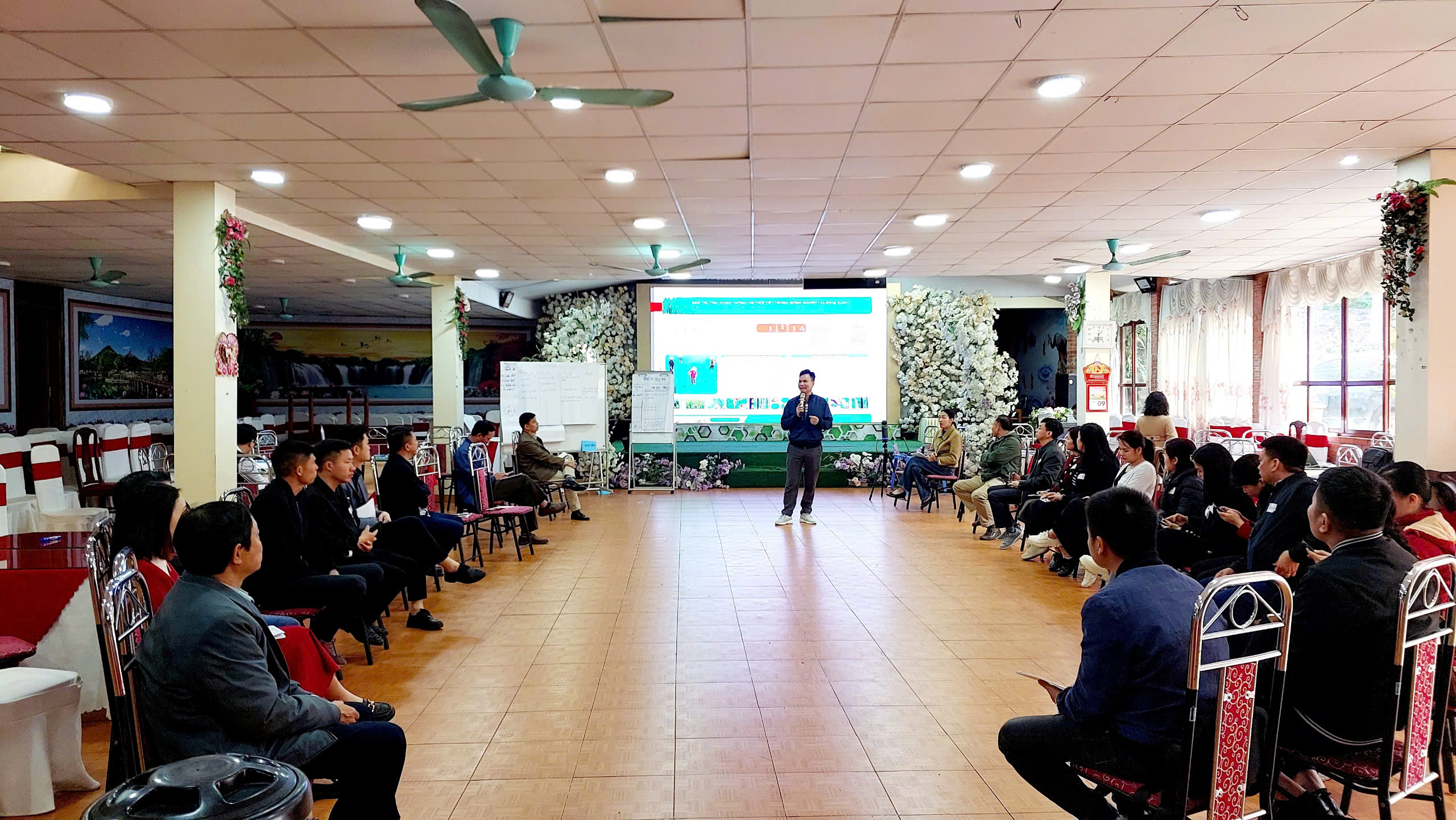
Mr. Le Dinh Hoa (Ha Tinh Farmers’ Association) sharing experiences on implementation in Ha Tinh
On the third day, the training focused on in-depth practice in bulletin development. Participants facilitated discussions with commune, village representatives, and farmers to gather input and refine bulletin content. After drawing lessons from these discussions, groups revised the bulletins based on real-world feedback. In the afternoon, participants practiced disseminating bulletins to the community, listened to feedback, and evaluated the effectiveness of the provided information.
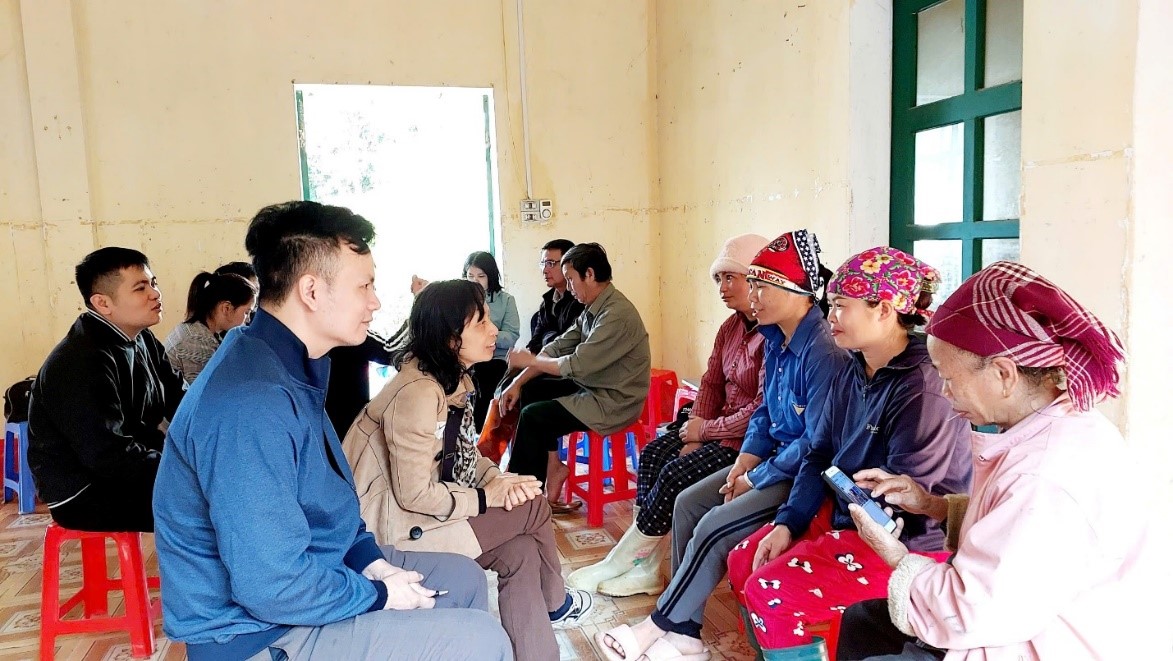
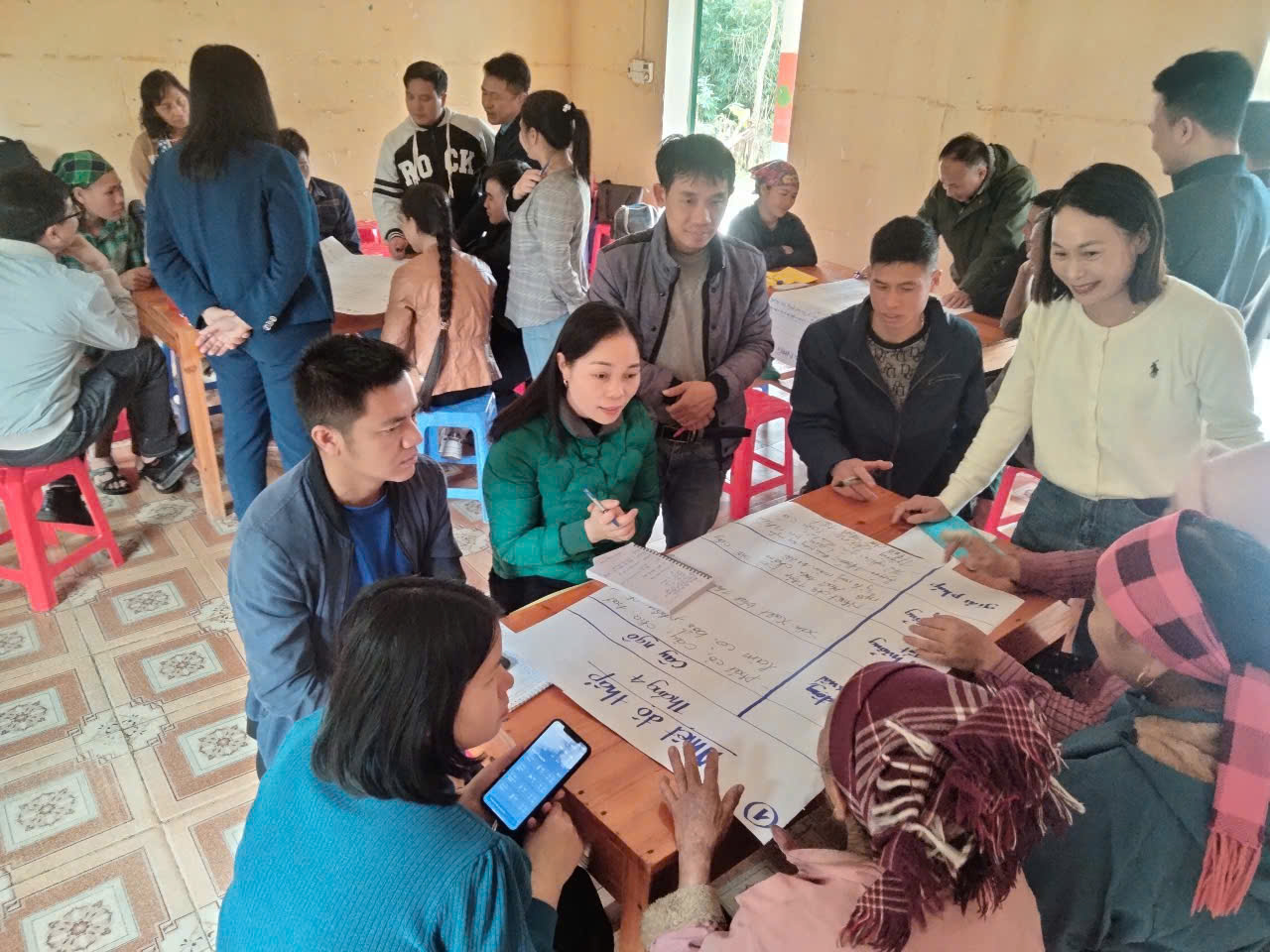
Participants and trainers engaging with the local community
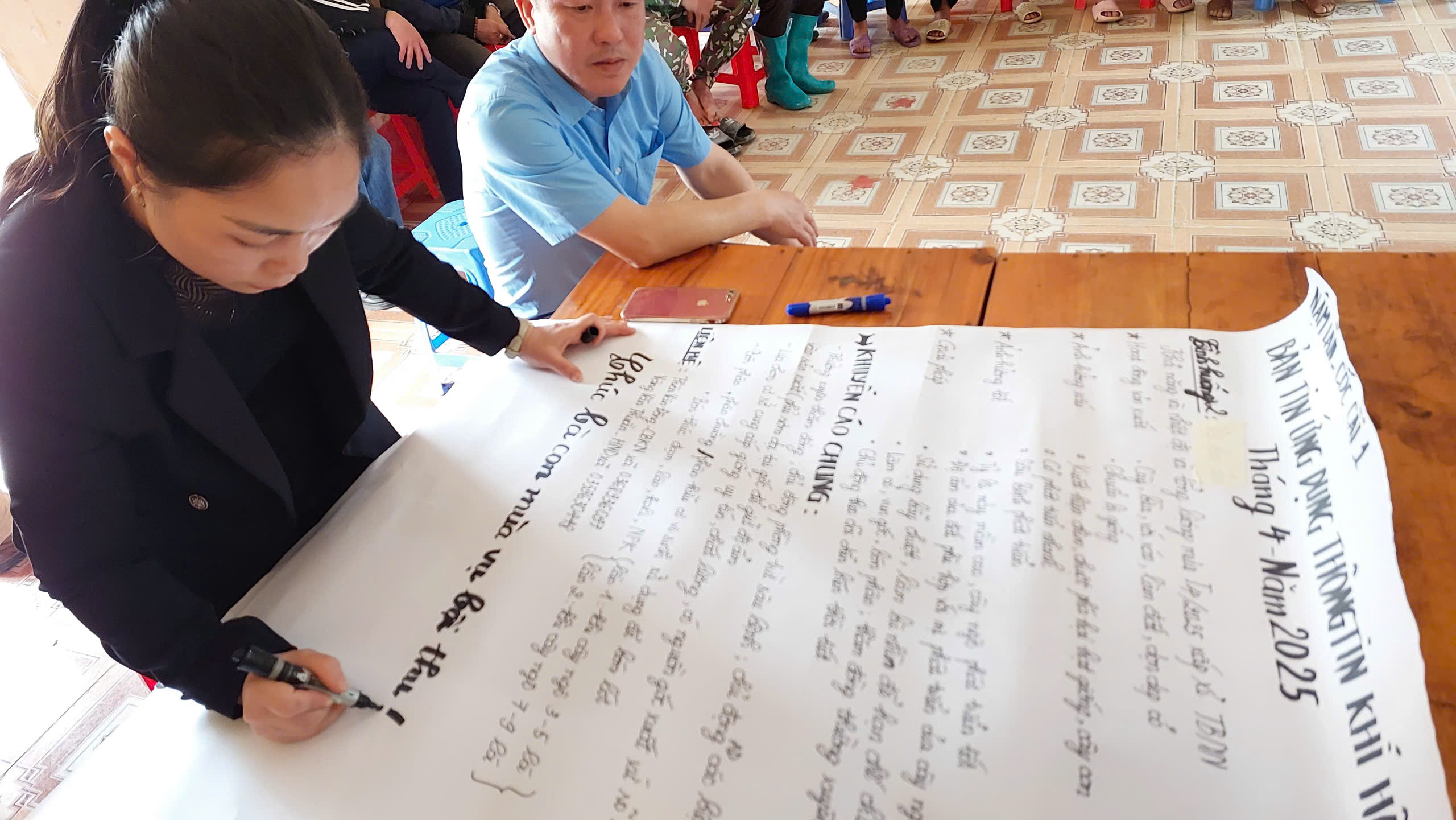
Participants practicing seasonal bulletin development
The final day of training focused on evaluating and planning the future development of agricultural climate services. Participants discussed how to assess the application of seasonal bulletins, methods for gathering feedback, and the next steps for establishing working groups. Once again, participants analyzed the strengths and weaknesses of local agricultural climate services and proposed improvements. Before concluding the program, participants self-evaluated and identified three areas for improvement in their work, contributing feedback to enhance future training quality.
Results and Future Directions
The training course has helped 30 technical staff from Thai Nguyen and Lao Cai provinces enhance their awareness of the role of climate information in agricultural production. Participants acquired practical knowledge and skills to develop, disseminate, and apply climate bulletins in local agricultural production, thereby strengthening community resilience to climate change challenges.
Following the training, technical teams will collaborate with the ACIS core trainer network to continue monitoring and evaluating the effectiveness of agricultural climate service implementation, ensuring that climate information reaches farmers efficiently and promptly. This marks a crucial step in enhancing the climate adaptability of Vietnam’s agricultural sector.