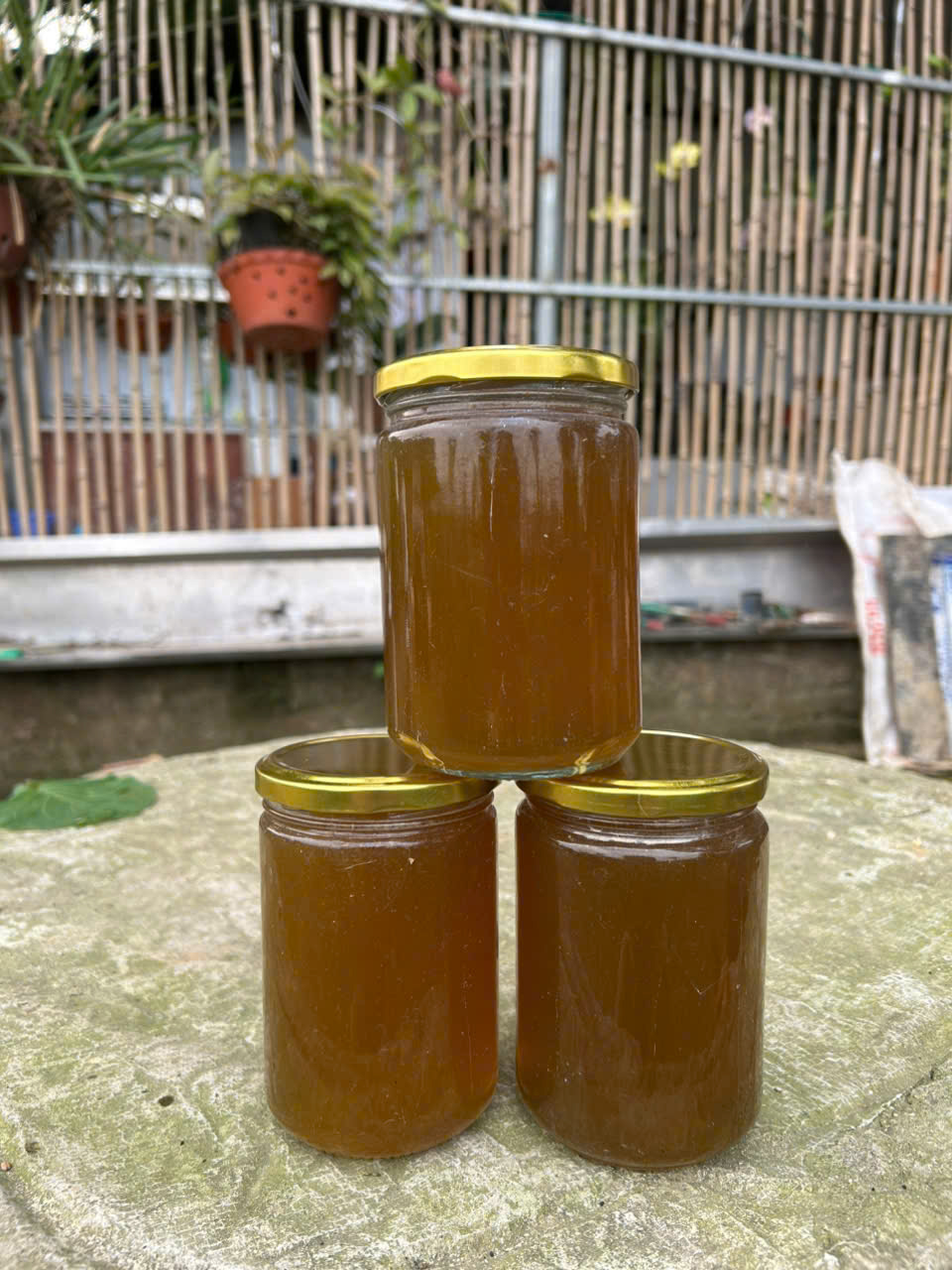
CLIMATE PARK HONEY
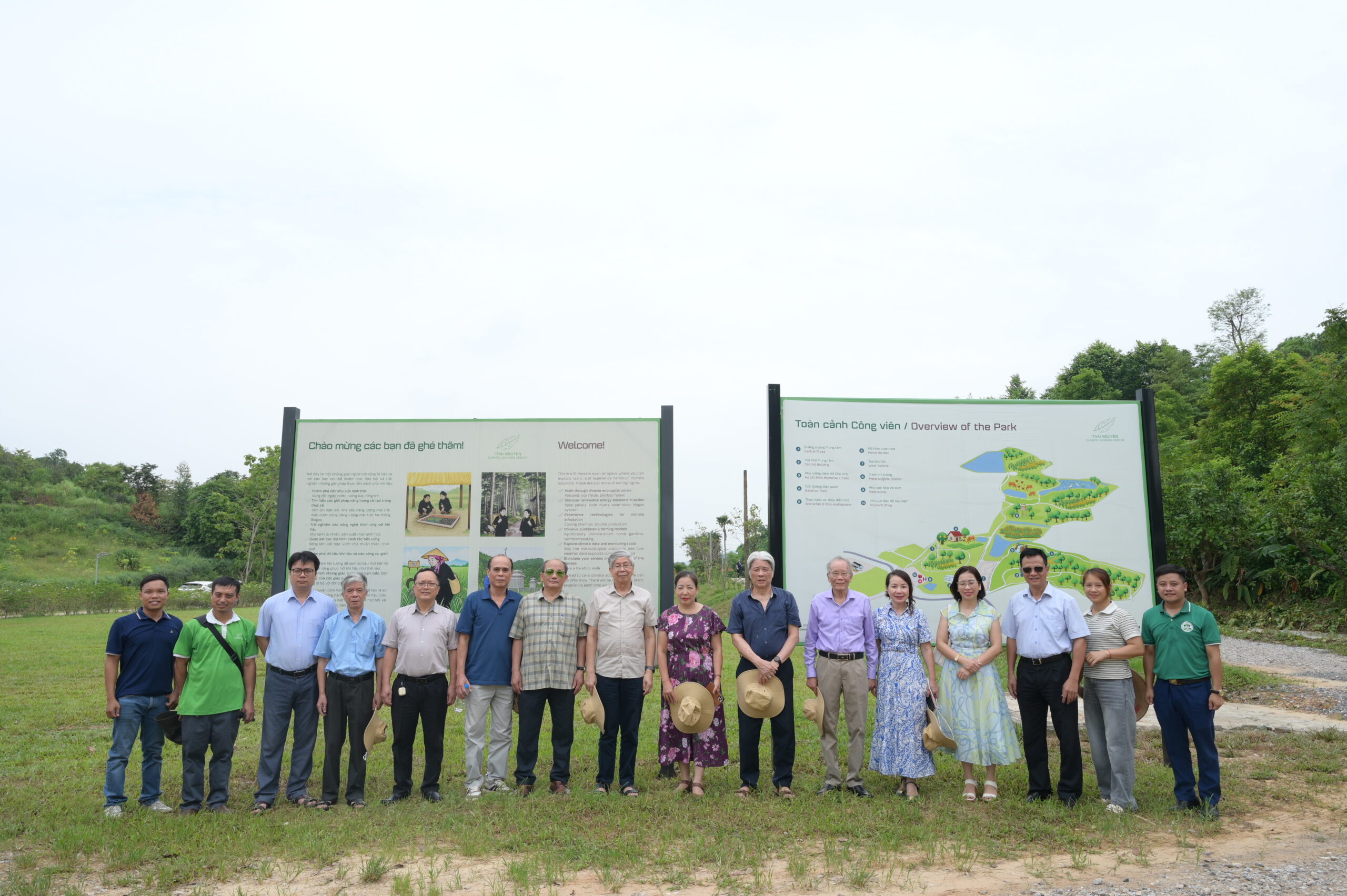
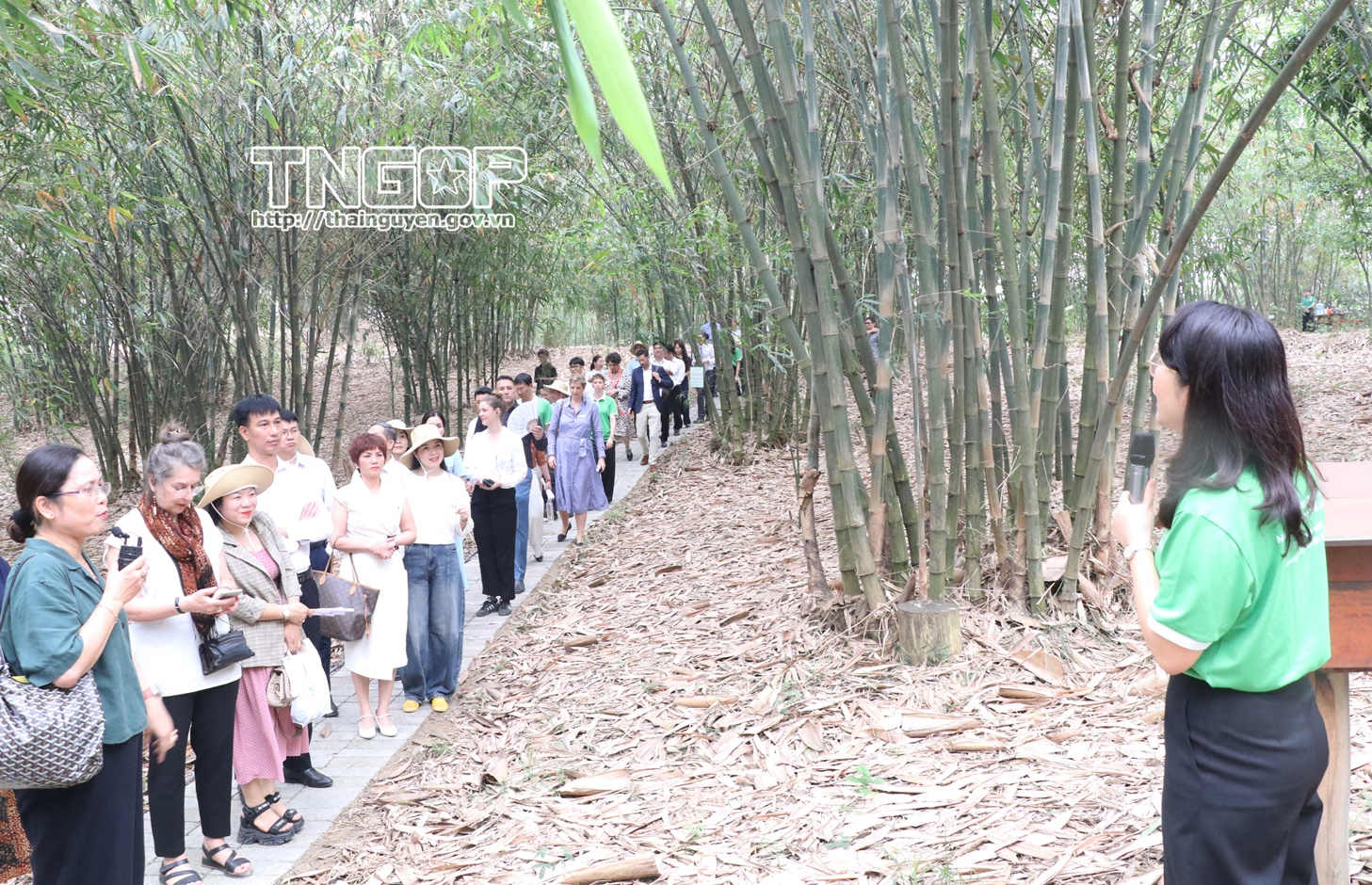
At the heart of University of Agriculture and Forestry lies a lush green “oasis” known as the Climate Park. More than just a garden, it is a carefully managed and strictly protected ecosystem. Within this space, honey bees are not merely farmed insects; they are “elite residents” carrying out the mission of producing truly premium honey.
Unlike industrial bee colonies that often suffer from monoculture foraging — collecting nectar from only a single species such as acacia, rubber, or lychee — the honey bees at the Climate Park enjoy a vast botanical “buffet.”
Biodiversity:
With hundreds of species of grasses, native flowers, and experimental plant varieties, the honey produced here captures the essence of multifloral nectar sources.
Superior Nutrition:
Each drop of honey is enriched by a diverse blend of pollens, resulting in significantly higher levels of amino acids, enzymes, and essential minerals compared to conventional honey.
The fundamental difference lies in its purity. Outside environments often expose bee colonies to:
- Pesticide residues from chemically farmed agricultural fields
- Heavy metal pollution from traffic emissions and industrial zones
At the Climate Park, everything operates under strict biosafety standards. No pesticides. No chemical fertilizers. The bee colonies thrive within a natural “filter,” where air and water quality are closely monitored.
The result is honey with:
- A complex floral aroma layered with the scents of countless blossoms
- Naturally rich viscosity thanks to stable environmental humidity
- Exceptional levels of natural antibiotics and antioxidants
This is the distinction between “mass production” and “craftsmanship” — a masterpiece created by the bees, the most skilled artisans of the University of Agriculture and Forestry, and offered as a gift to humanity.