Stemona tuberosa Lour., belonging to the family Stemonaceae and the genus Stemona, is a perennial woody climbing plant with tuberous roots that form clusters. It plays an important role in traditional medicine.
This valuable medicinal plant is rich in alkaloid compounds, including key components such as croomine, stemonimine, tuberostemonine, neotuberostemonine, and two derivatives of 3,4-dehydrotocopherol. These compounds have been shown to support the treatment of respiratory diseases, possess antibacterial, antiviral, antifungal properties, and can also act against certain harmful insects. In China, extracts from the tubers of Stemona tuberosa are used to treat various illnesses, including bronchitis, whooping cough, and tuberculosis. In Bangladesh, the roots and leaves of the plant are used by the tribal communities of the Chittagong Hill Tracts (CHT) to treat intestinal worms, cough, and mental disorders.
Although Stemona tuberosa has the ability to regenerate shoots from its base, the shoot multiplication rate is relatively low. Due to its extensive medicinal applications and the uncontrolled destruction of forest vegetation, along with large-scale harvesting, this important plant species is becoming increasingly rare in its natural habitat. Given its medicinal importance, the propagation of Stemona tuberosa has received considerable attention. Therefore, effective solutions are needed to develop and restore this species efficiently.
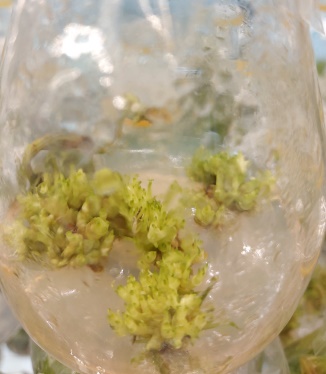
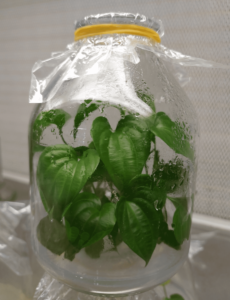
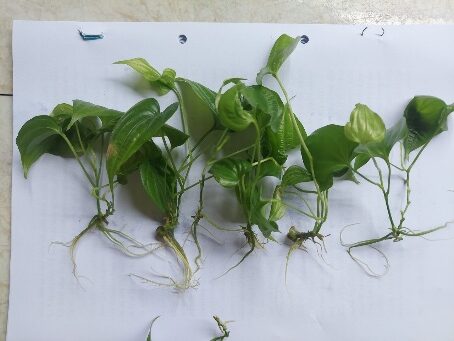
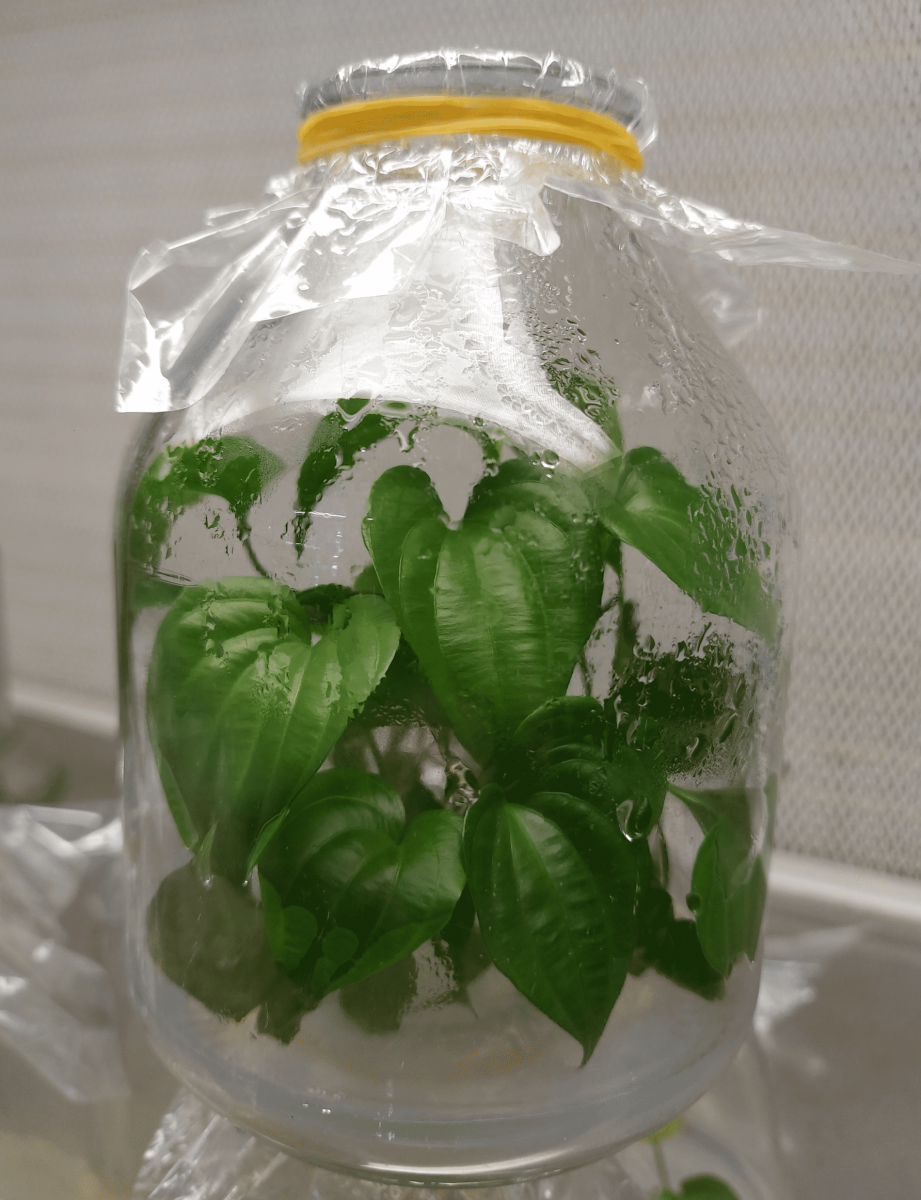
The Institute of Forestry and Sustainable Development – Thai Nguyen University of Agriculture and Forestry has successfully applied plant tissue culture technology in the propagation of Stemona tuberosa, contributing to the conservation and development of this valuable medicinal plant. In vitro propagation produces a large number of disease-free seedlings with good quality, high uniformity, retention of the mother plant’s superior traits, and especially a high multiplication rate that meets the demand for large-scale production.