1. Variety Description 
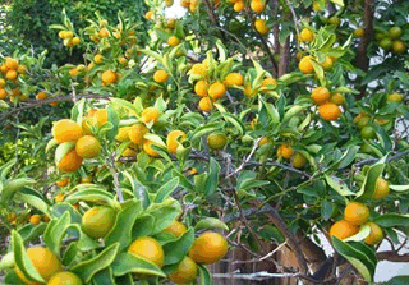
Kumquat (Citrus japonica), also known as “tắc” in southern Vietnam, is an evergreen plant that can be grown indoors. It is commonly cultivated as an ornamental tree and even shaped into bonsai. In China and Vietnam, kumquat trees bearing fruit are often displayed during the Lunar New Year, as they are considered symbols of good luck.
In traditional Eastern medicine, kumquat fruit is used as a remedy for cold-related ailments such as sore throat, stomach chills, and the flu.
2. Planting and Care Techniques
2.1/ Choosing the Planting Season
Kumquat can be grown year-round, but branch grafting and new plantings should be done at the beginning of the rainy season to ensure the trees are lush, with abundant foliage and buds in time for the Lunar New Year.
2.2/ Choosing the Soil
The ideal soil for kumquat should be a mix of sandy and clay soil to ensure good aeration and adequate moisture retention. The optimal pH level for growing kumquat is between 5 and 6.
2.3/ Planting Techniques
Growing kumquat requires meticulous care and strict adherence to the planting process.
-
Kumquat can be grown directly in the ground, but it is also suitable for planting in baskets or pots. It is best to first cultivate the tree in garden soil before transferring it to a pot.
-
The planting area should have raised beds with surrounding irrigation ditches. The beds should be 4-6 meters wide, with ditches approximately 1-1.5 meters wide. The surface of the bed should be 20-30 cm higher than the ditch to prevent waterlogging, which can stunt growth or cause the tree to die.
-
Kumquat requires ample sunlight, thrives in humid conditions, and grows best at temperatures between 20-24°C. During dry seasons, the soil should be sufficiently watered to prevent dehydration, which can lead to yellowing and leaf drop.
-
Kumquat is not propagated by seeds due to the risk of genetic variation and slow fruiting. Instead, the preferred method is branch grafting (air layering).
Branch Grafting Process:
-
Select a strong, diagonally growing branch.
-
Make a circular cut on the bark and let it dry for 4-5 days.
-
Wrap the exposed area with straw mixed with wet clay.
-
Cover it with a perforated plastic wrap to allow drainage.
-
Grafting should be done between March and April, at the start of the rainy season.
2.4/ Fertilization
Fertilization is crucial for kumquat growth. Insufficient nutrients can stunt the tree, while excessive fertilization can also hinder its development. Proper and timely fertilization ensures strong growth and enhances the fragrance of the blossoms in time for the Lunar New Year.
-
Base Fertilization: Each tree requires 20-25 kg of well-decomposed organic fertilizer (compost or manure).
-
Supplemental Fertilization: Use NPK (16-16-8) fertilizer at an average rate of 0.3-0.5 kg per tree per year, divided into two applications, spaced 40 days apart.
-
Pre-Flowering Fertilization: Apply 100g of potassium chloride (KCl) per tree to improve fruit retention and reduce premature fruit drop.
-
Foliar Feeding: To encourage healthy, green foliage, apply a foliar fertilizer spray every 15 days.
3. Pest and Disease Control
Common Pests and Diseases
Swallowtail Caterpillars
-
These caterpillars lay eggs on young shoots, and the larvae feed on tender leaves and buds, slowing tree growth and damaging its aesthetic appeal.
-
Control Methods: Regularly inspect kumquat trees and manually remove the caterpillars if the population is low. For larger infestations, use insecticides such as Ofatox 400 EC, Bassa 50 EC, or Karate 2.5 EC at a concentration of 0.1-0.15%.
Aphids
-
Aphids often cluster on young shoots, flower buds, and unripe fruits, sucking plant sap and causing deformities.
-
Control Methods: If only a few aphids are present, manually remove and destroy them. For heavier infestations, spray insecticides such as Bassa 50 EC, Betox 5 EC, or Karate 2.5 EC at 0.1-0.15% concentration.
Scab Disease (Leaf and Fruit Spot)
-
The fungal spores that cause this disease survive on young leaves and infect tender plant parts, resulting in curled leaves and scarred fruit.
-
Control Methods: Prune infected leaves and fruits. If the disease spreads, apply fungicides such as Daconil 75 WP, Anvil 5 EC, or Tilt Super 300 EC.
Root and Stem Rot
-
This disease causes root and stem decay, leading to bark cracking, sap leakage, and eventual tree death.
-
Control Methods: Maintain proper drainage, avoid overwatering, and ensure good air circulation around the tree.