Dendrobium officinale Kimura et Migo is a rare and valuable orchid species. It is highly favored for its abundant, large, beautiful, and fragrant flowers. Belonging to the Dendrobium genus, this orchid has been clinically tested and shown to possess significant medicinal properties, including anti-cancer, anti-aging, and immune-boosting effects. Due to its high medicinal value, this species has been overharvested to the point of near extinction in the wild.
Traditionally, Dendrobium officinale has been used to treat fever, dry throat, excessive thirst, and restlessness. Modern pharmacological research has demonstrated its ability to combat fatigue, improve oxygen deficiency tolerance, promote bile secretion, and nourish the liver. It is an effective herbal remedy for liver and gallbladder diseases, including hepatitis, cholecystitis, and gallstones. Additionally, it strengthens bones and joints, alleviates rheumatism, enhances insulin activity, lowers blood sugar levels, reduces blood lipids, and improves circulation by dilating blood vessels and reducing cholesterol and triglycerides.
As a highly sought-after ornamental plant with exceptional medicinal properties, Dendrobium officinale commands a high market price. A three-year-old fresh plant is typically sold for 25,000 – 35,000 VND per plant.
To address the growing demand and conservation concerns, the Institute of Forestry Research and Development has successfully applied biotechnology, specifically in vitro propagation techniques, to mass-produce high-quality, genetically uniform seedlings for commercial distribution.


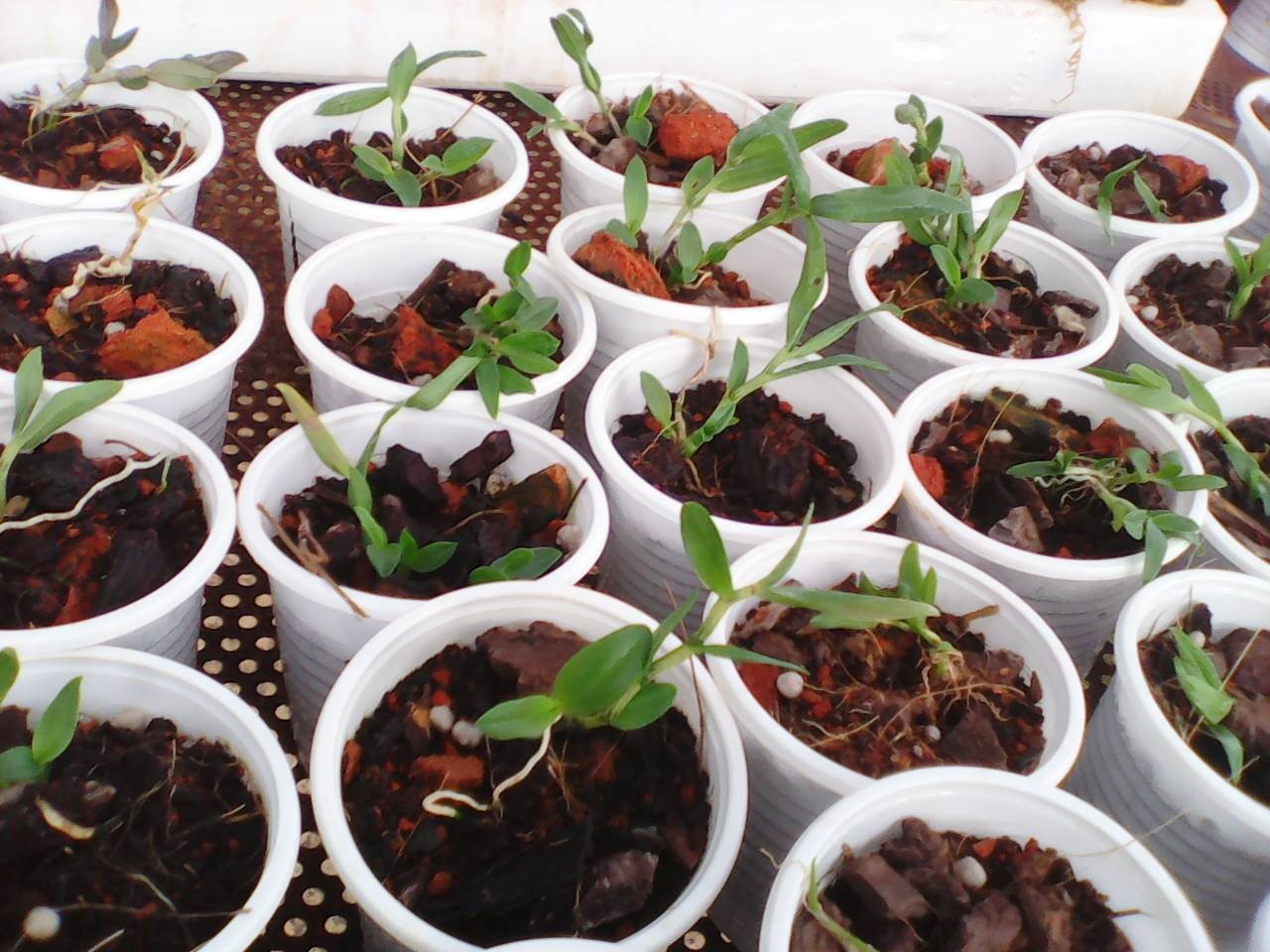
Dendrobium officinale undergoing rapid propagation


CT1 CT2 CT3


CT4 CT5
Dendrobium officinale plants after 60 days of cultivation on various substrates