
Study on the Propagation of Stemona tuberosa (Bách Bộ)
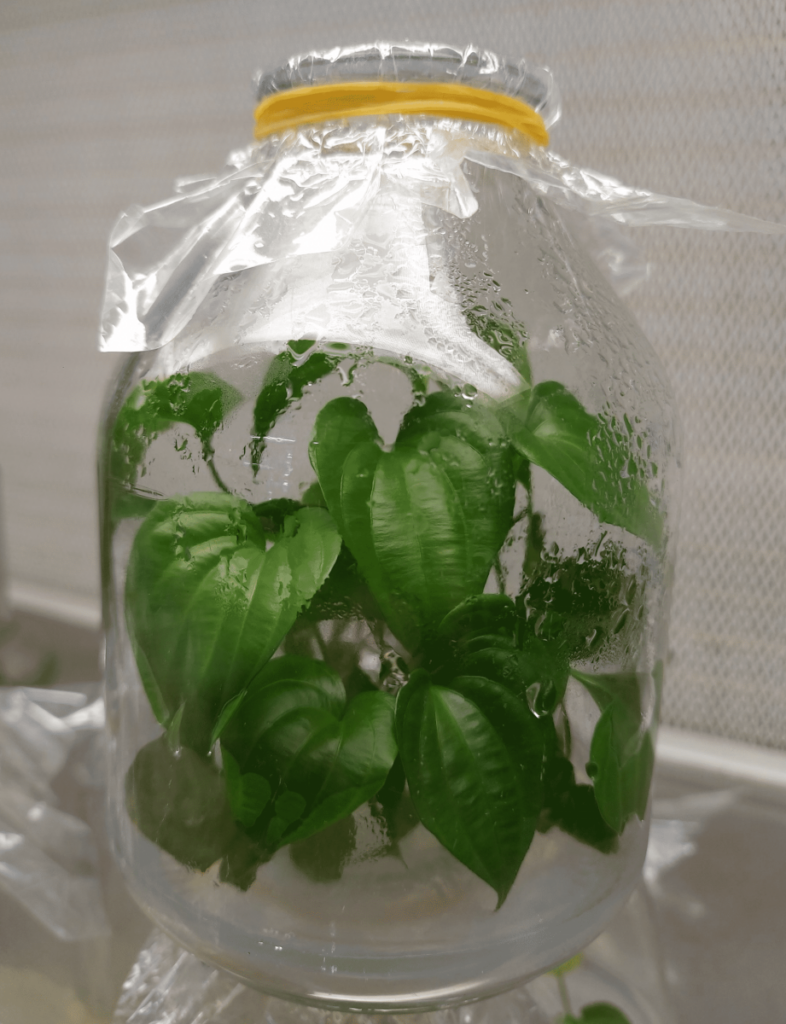
Stemona tuberosa Lour., belonging to the family Stemonaceae and the genus Stemona, is a perennial woody climbing plant with tuberous roots that form clusters. It plays an important role in traditional medicine. This valuable medicinal plant is rich in alkaloid compounds, including key components such as croomine, stemonimine, tuberostemonine, neotuberostemonine, and two derivatives of 3,4-dehydrotocopherol. […]
TN Cordyceps Militaris – A Health-Supporting Food
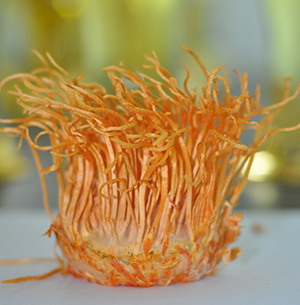
Cordyceps militaris is a product developed under Technology Transfer Contract No. 57/CGKHVN for the propagation and cultivation of Cordyceps militaris between the Institute of Forestry Research and Development and the Vietnam Institute of Agricultural Genetics. Since its introduction to consumers nearly three months ago, the Cordyceps militaris product has gradually affirmed its quality and brand, […]
SUCCESSFUL IMPLEMENTATION OF OUTDOOR RECIRCULATING HYDROPONIC SYSTEM FOR SAFE VEGETABLE PRODUCTION
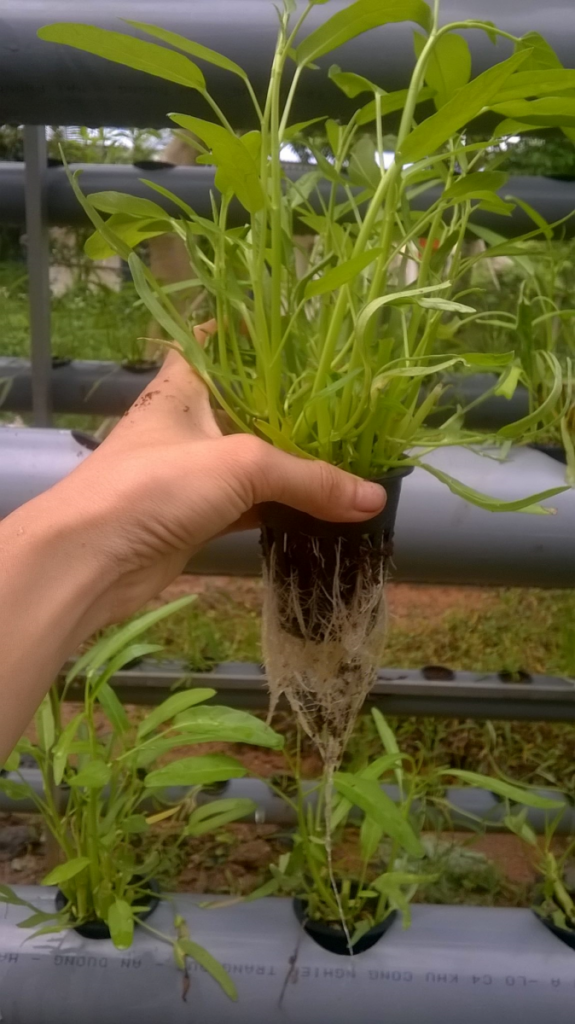
Recirculating hydroponics is a soilless farming method that utilizes a nutrient solution reservoir and a pump to continuously circulate nutrients through hydroponic growing tubes. As the solution moves through the system, it provides oxygen-rich nutrients, promoting faster and healthier plant growth. The nutrient solution used in this recirculating hydroponic system is Hydro Green, a government-approved […]
Acceptance Review of the Tissue-Cultured Seedling Standards for Valuable Medicinal Plants under the Ministry-Level Science Project CT-592.DABKHCN.04.2015
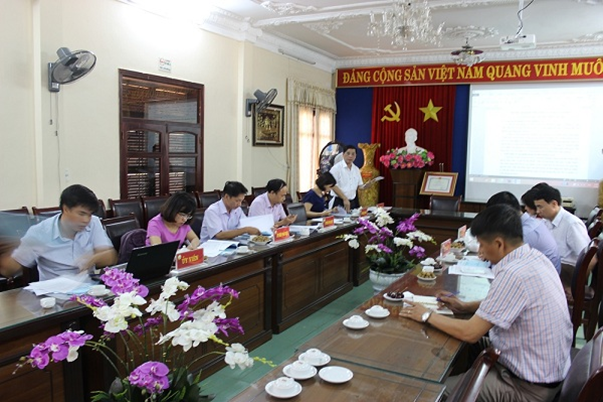
Project Title: “Completion of In Vitro Propagation Technology and Cultivation of High-Value Medicinal Plants (Anoectochilus setaceus Blume, Polycias fruticosa L.Harms, and Zingber zerumber Sm.)” Based on Decision No. 784/QD-KHCN dated July 20, 2016, regarding the establishment of the Acceptance Council for the tissue-cultured seedling standards at the institutional level, issued by the Rector of Thai […]
Leaders of the Ha Giang Department of Agriculture & Rural Development Visit Dao Duc Nursery
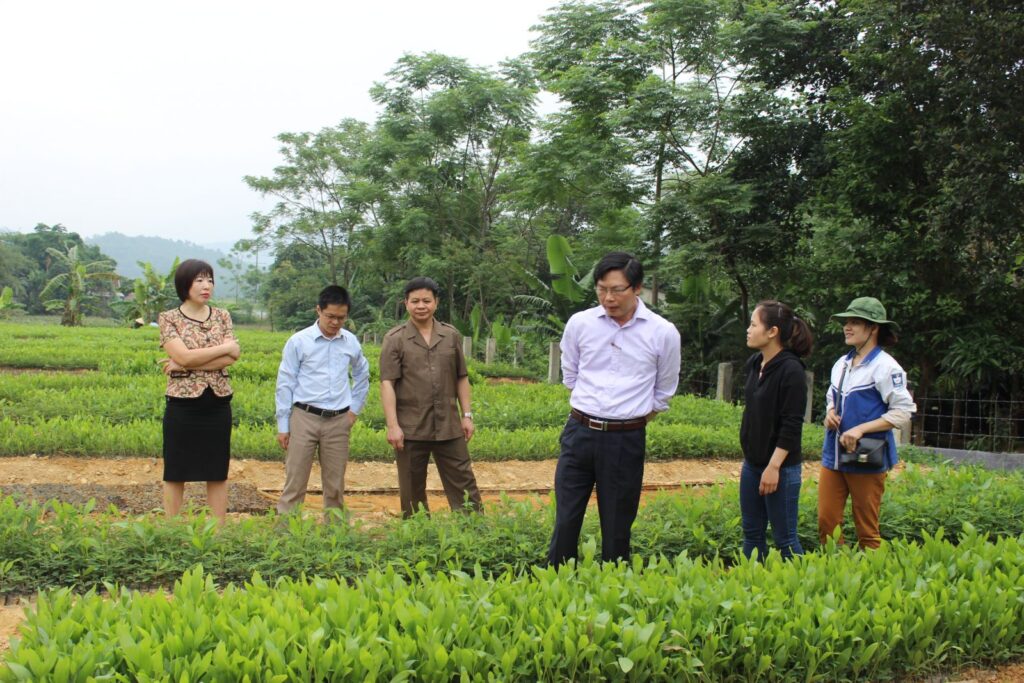
On May 18, 2016, Deputy Director of the Ha Giang Department of Agriculture & Rural Development, Pham Van Dien, along with Deputy Head of the Forestry Sub-Department, Luong Trieu Vung, and Head of the Forest Protection Sub-Department, Bui Van Dong, visited Dao Duc Nursery as part of their working agenda with Vi Xuyen District. The […]
Training Workshop on Document Drafting Skills

On the morning of April 21, 2016, Thai Nguyen University of Agriculture and Forestry organized a training workshop on document drafting skills. The workshop was attended by staff and officials from various departments and faculties, as well as specialists from the Institute for Forestry Research & Development. Assoc. Prof. Dr. Tran Van Dien, Secretary of […]
Ha Tinh University Visits and Works with the Institute for Forestry Research & Development
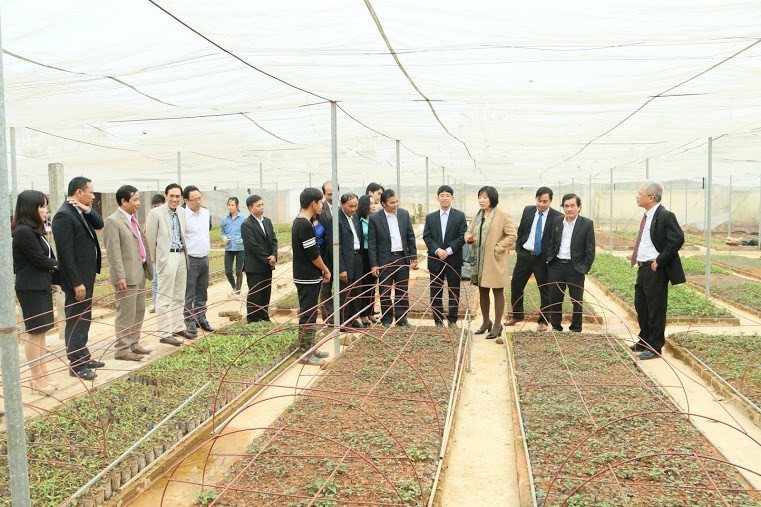
On the afternoon of March 14, a delegation from Ha Tinh University, led by Assoc. Prof. Dr. Nguyen Dinh Tho, the university’s rector, visited and worked with the Institute for Forestry Research & Development. Accompanying the delegation were leaders of various departments, faculties, and centers of Ha Tinh University. Welcoming and working with the delegation […]
Breakthrough at Thai Nguyen University
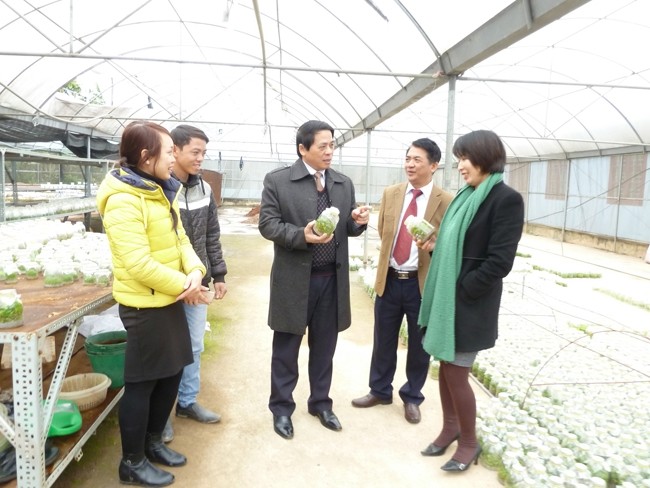
Leaders of Thai Nguyen University Conduct a Survey and Research at the Institute of Forestry Research and Development, Thai Nguyen University of Agriculture and Forestry Bringing the Party’s resolutions to life in a practical and effective manner requires feasible measures. The Party Committee of Thai Nguyen University has focused its intellect on concretizing the resolutions […]
White Polygonatum
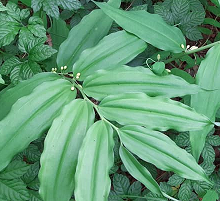
Scientific name: Disporopsis longifolia CraibFamily: Convallariaceae (Acharya et al., 2009) Botanical Description White Polygonatum is a perennial herb. It has thick, segmented, creeping rhizomes with prominent nodes and scars from withered aerial stems. The aerial stem is erect, smooth, and reaches 0.6–1 m in height. Leaves are sessile, alternate, lanceolate to ovate-lanceolate, 10–20 (up to […]